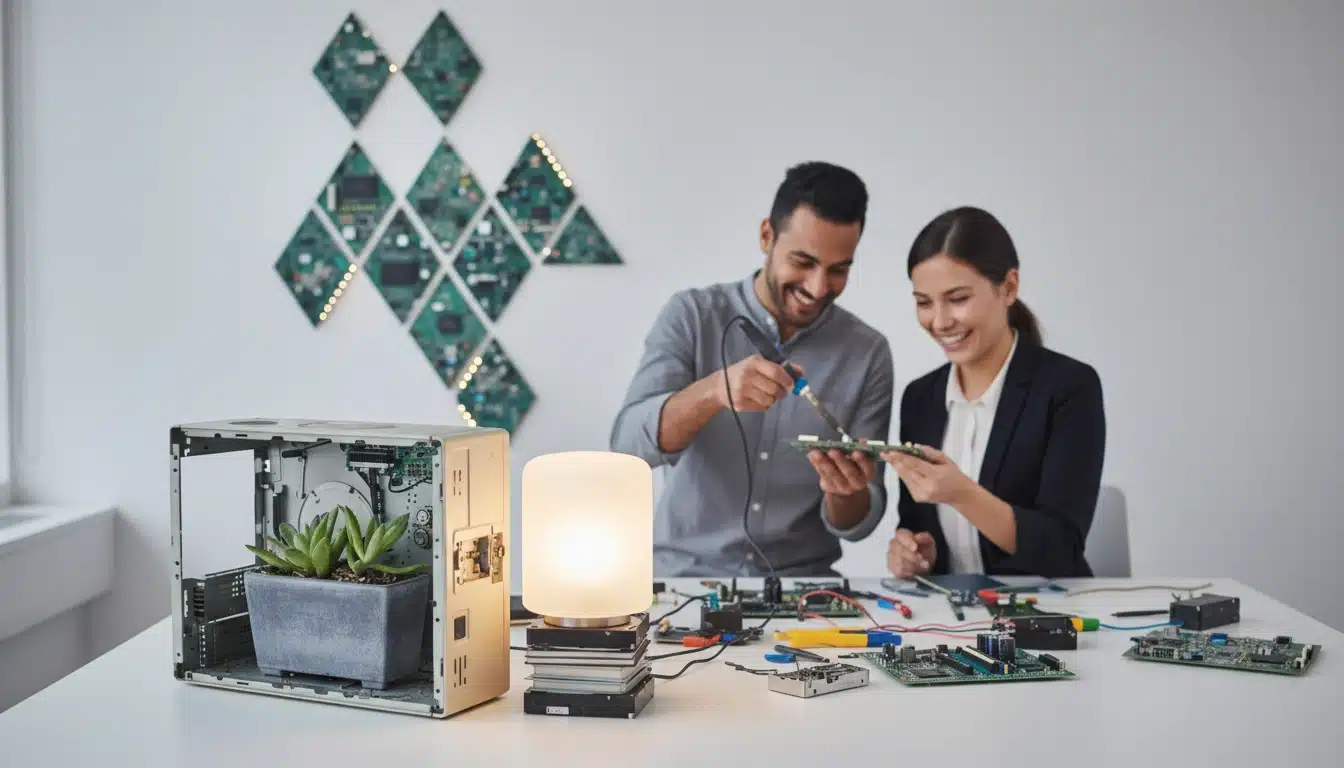
How Businesses Can Repurpose Old Electronics
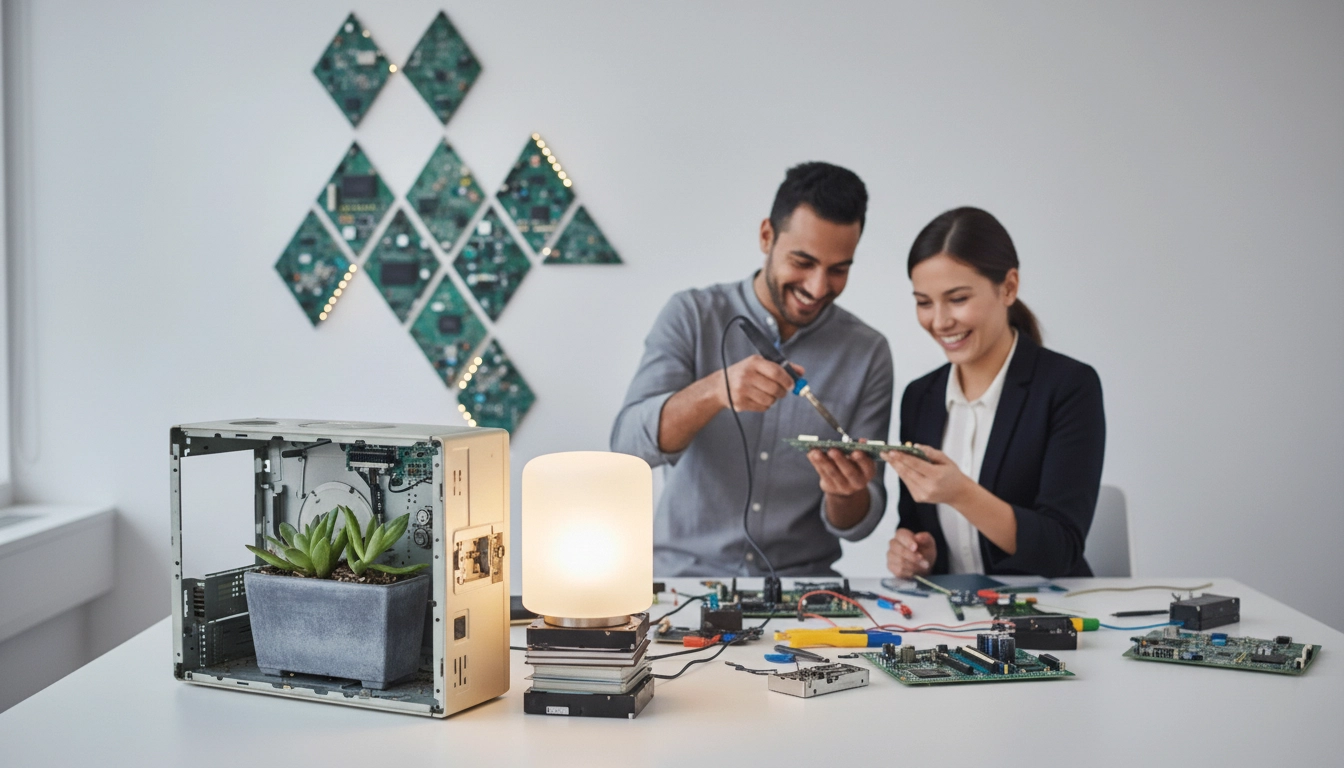
Your office electronics don’t have to end up in landfill when they reach end-of-life. With a bit of creativity and planning, Northampton businesses can transform outdated technology into unique office décor and engaging team-building experiences. This approach reduces waste disposal costs while creating distinctive workplace features that reflect your company’s commitment to sustainability.
Transform Old Devices Into Office Art Features
Circuit Board Wall Art
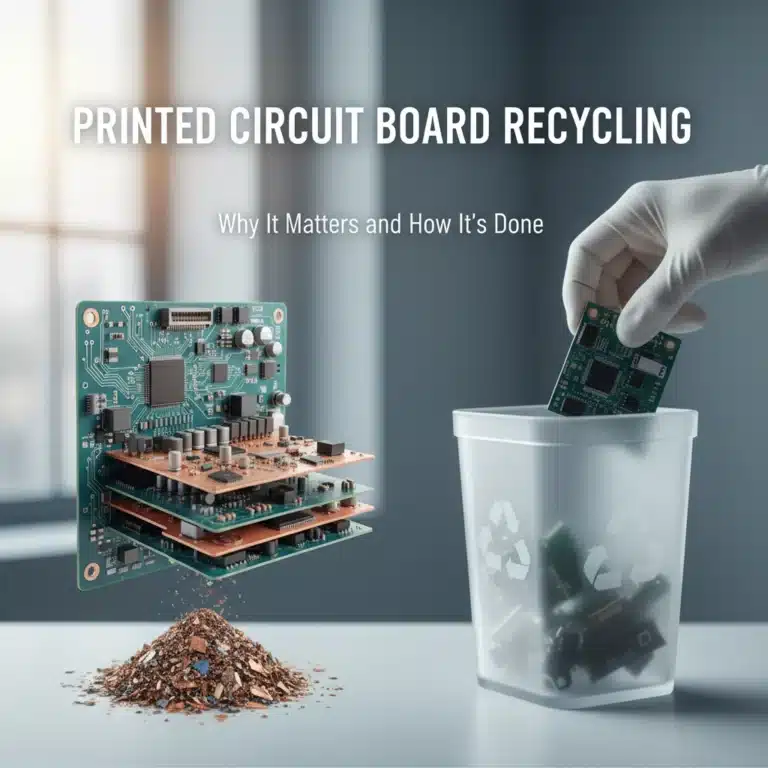
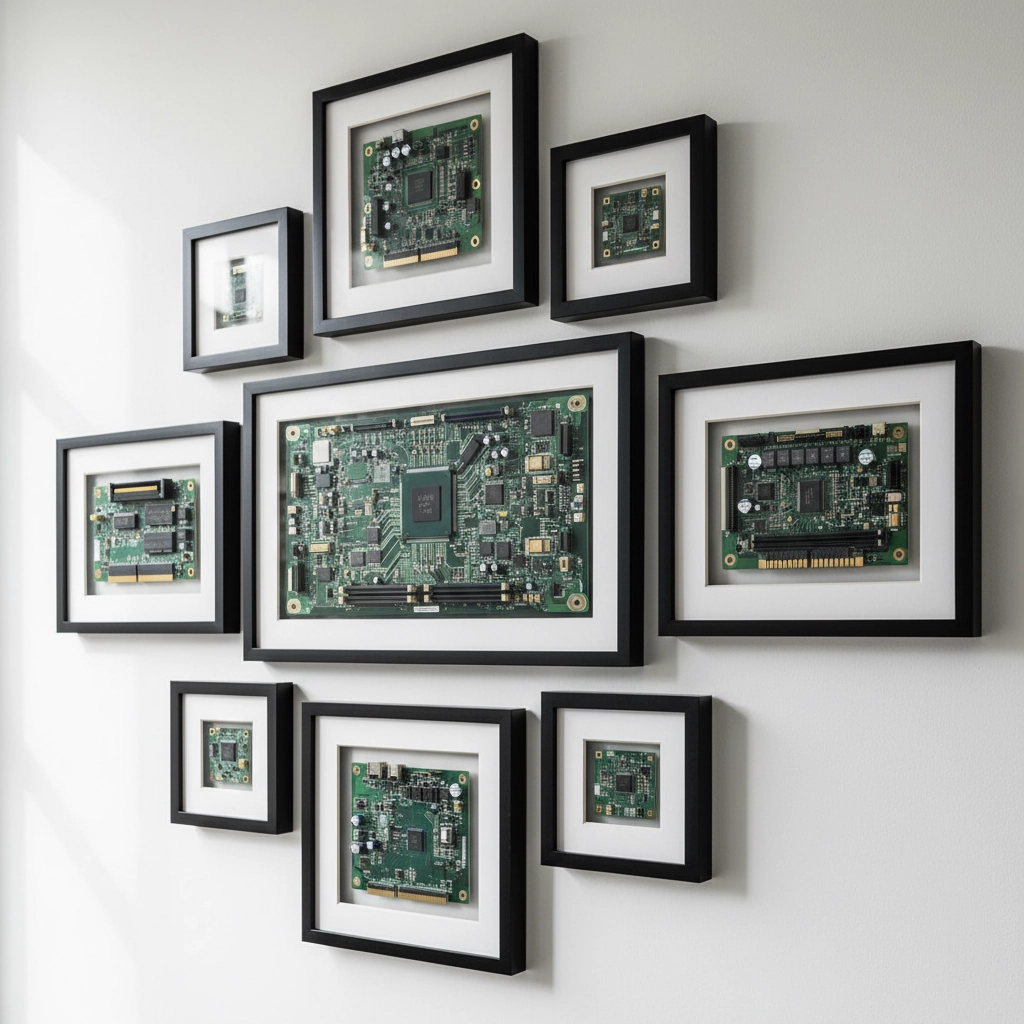
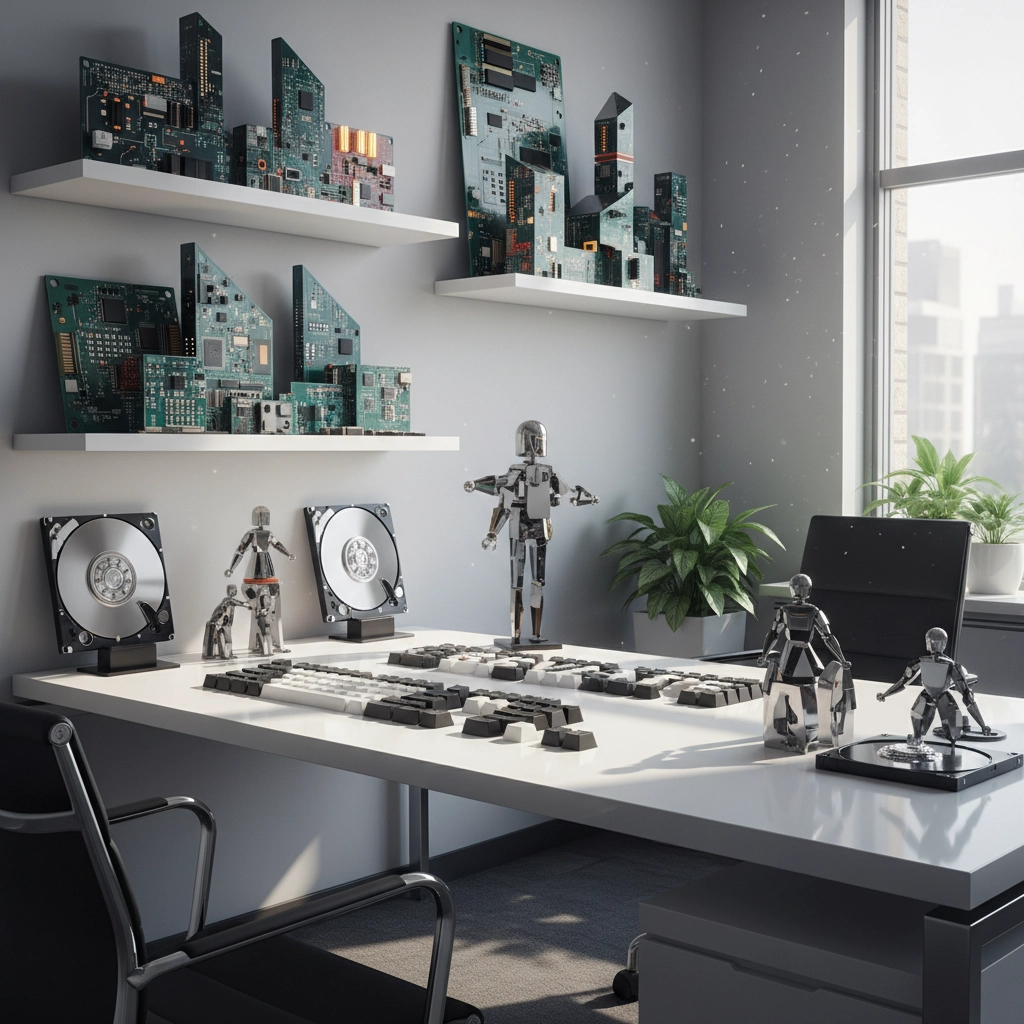
Remove circuit boards from old computers, printers, and monitors to create striking wall installations. These metallic green boards with their intricate patterns make excellent modern art pieces when mounted in frames or arranged directly on walls. Group multiple boards of different sizes to create gallery walls in reception areas or corridors. The geometric patterns and metallic components catch light beautifully, adding visual interest to otherwise plain office spaces.
Hard Drive Desk Clocks
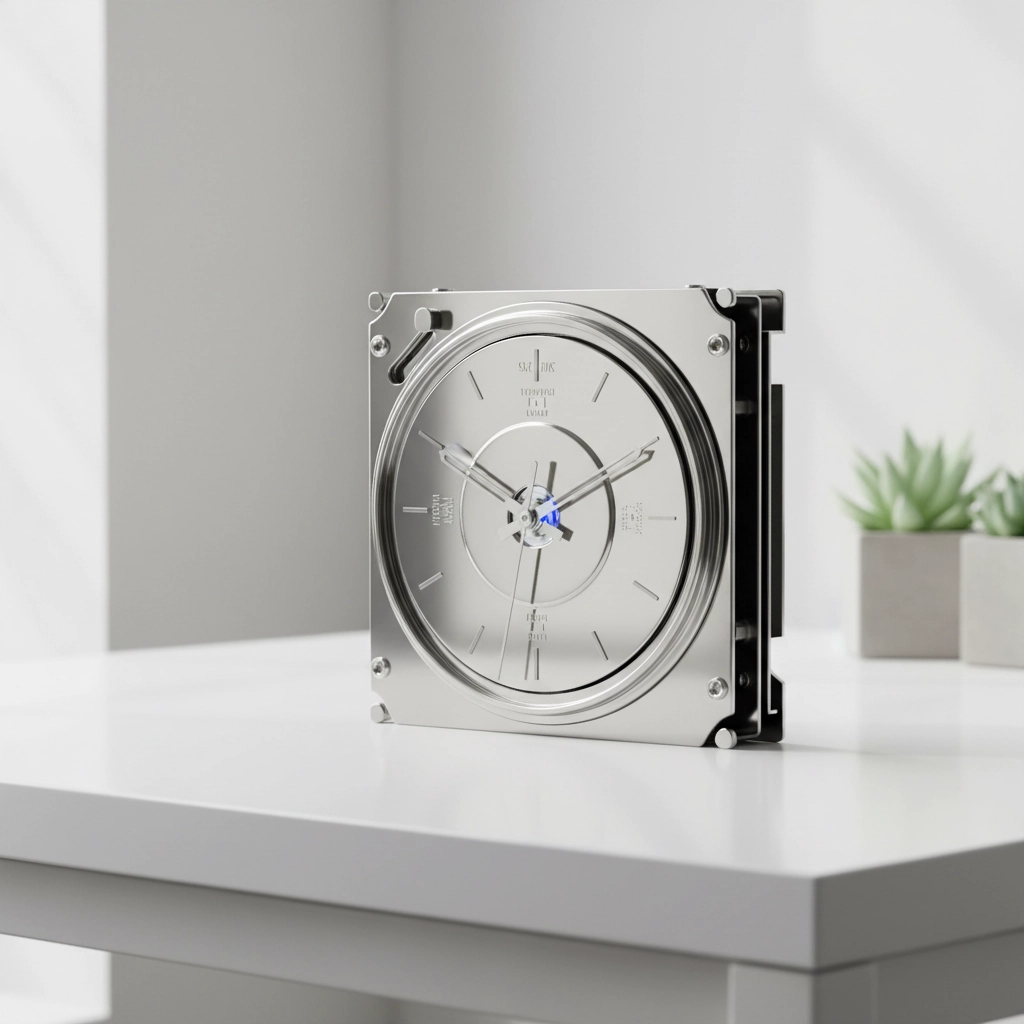
Old computer hard drives contain precision-machined metal components perfect for creating sleek desk or wall clocks. The circular disc platters serve as clock faces, while the metallic housing provides an industrial aesthetic that fits well in modern office environments. These functional art pieces become conversation starters while demonstrating your company’s innovative approach to waste reduction.
Keyboard Key Magnets and Displays
Individual keys from old keyboards can be repurposed into refrigerator magnets for office kitchens or arranged into word displays on magnetic whiteboards. Create motivational messages, company values, or department names using actual computer keys. This creates a tech-themed decorative element that reinforces your digital focus while giving new life to otherwise discarded components.
Digital Display Solutions
Lobby Information Systems
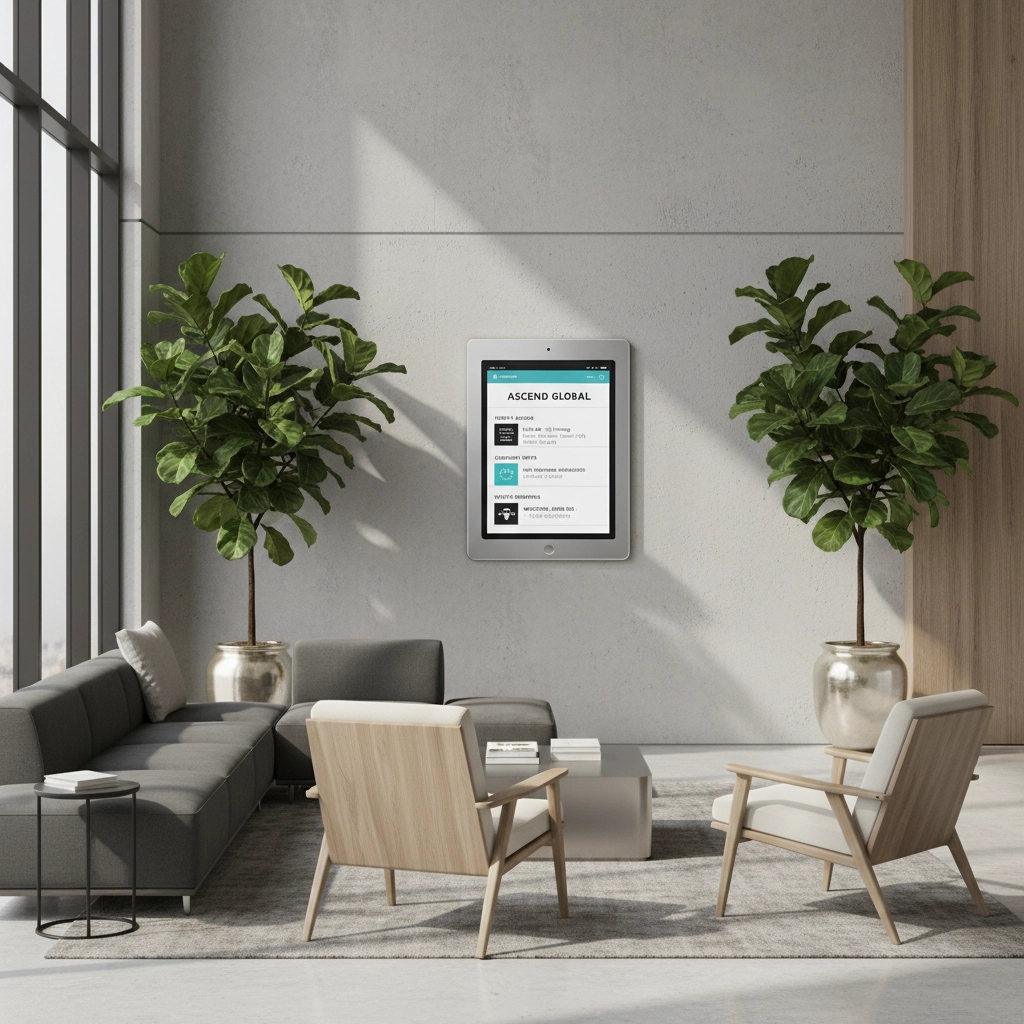
Convert old tablets and monitors into professional digital displays for your reception area. These repurposed devices can showcase company news, visitor information, service highlights, or rotating promotional content. Mount them securely in your lobby to create an impressive first impression while reducing the need for printed materials and static signage.
Conference Room Enhancements
Older televisions and large monitors work excellently as dedicated presentation displays in meeting rooms. Rather than disposing of these units, integrate them permanently into conference spaces for video calls, presentations, and collaborative work sessions. Studies show that visual aids make presentations significantly more persuasive and memorable for attendees.
Internal Communication Boards
Position repurposed tablets or small monitors throughout your office to display rotating internal communications. These digital notice boards can show staff announcements, safety reminders, achievement celebrations, or real-time data dashboards relevant to different departments. This reduces paper waste while ensuring important information reaches all team members.
Team-Building Through Upcycling Projects
Electronics Disassembly Workshops
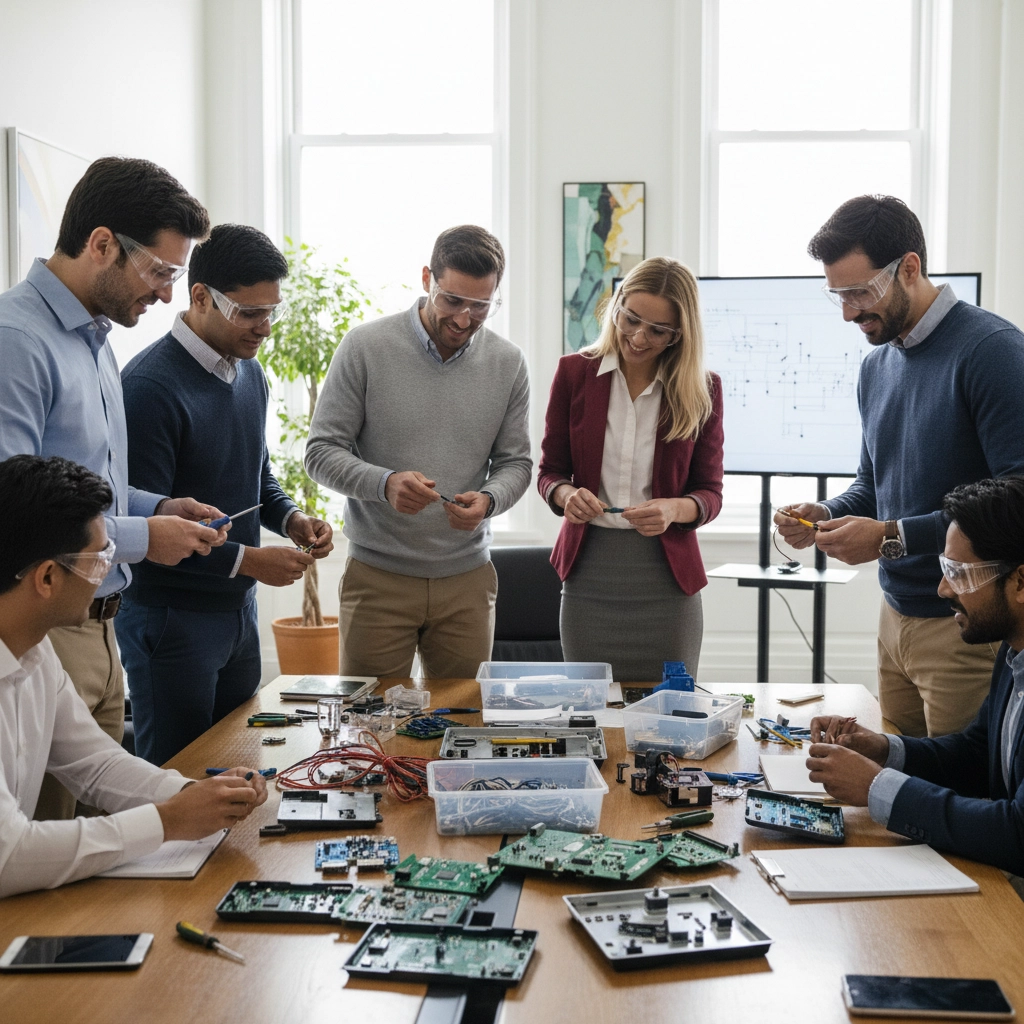
Organize team events where staff safely dismantle old electronics under proper supervision. This educational activity teaches employees about device components while generating materials for future art projects. Teams work together to carefully remove usable parts, creating a shared understanding of technology and waste reduction principles.
Collaborative Art Creation
Host team-building sessions where groups create art installations using components from decommissioned electronics. Provide basic tools, adhesives, and canvases for teams to design wall art, sculptures, or functional items like pen holders or desk organizers. These sessions foster creativity while building stronger working relationships between colleagues.
Innovation Challenges
Challenge different departments to propose the most creative repurposing solution for specific electronic items. Set parameters around safety and functionality, then let teams present their concepts. Winners can see their ideas implemented as actual office features, creating ongoing engagement with sustainability initiatives.
Practical Implementation Steps
Safety Assessment First
Before beginning any repurposing project, ensure all devices have been properly assessed for safety risks. Remove batteries, check for damaged components, and ensure no hazardous materials are present. Old CRT monitors contain lead and require special handling, while some circuit boards may contain materials unsuitable for office display.
Data Security Protocols
All storage devices must undergo complete data destruction before repurposing. Even devices destined for decorative use should have their data properly wiped to maintain security compliance. This step protects sensitive business information while enabling safe creative reuse of hardware components.
Tool and Space Requirements
Establish a designated workspace for electronics disassembly and creative projects. Basic tools include screwdrivers, pliers, safety glasses, and appropriate containers for sorting components. Ensure adequate ventilation and proper disposal methods for any components that cannot be safely repurposed.
Secondary Equipment Applications
Administrative Workstations
Rather than disposing of older computers, reassign them to staff members whose work requirements are less demanding. Reception desks, basic data entry positions, and guest access stations often function perfectly well with older hardware. This extends device lifecycles while reducing new equipment purchases.
Training and Testing Environments
IT departments can utilize older machines to create safe testing environments for new software, security updates, and system configurations. These dedicated testing systems protect your live network while providing valuable learning opportunities for technical staff.
Backup and Secondary Systems
Configure older devices as backup systems for critical functions. Emergency communication stations, backup file servers, or secondary monitoring systems can all benefit from repurposed hardware, providing redundancy without additional procurement costs.
Benefits and Compliance Considerations
Financial Advantages
Repurposing electronics delivers measurable cost savings through extended equipment lifecycles, reduced disposal fees, and decreased new equipment purchases. These savings can be reinvested in other business priorities while demonstrating efficient resource management to stakeholders.
Environmental Impact
Each device kept out of landfill reduces environmental burden while supporting your company’s sustainability goals. This approach aligns with corporate social responsibility objectives and can be highlighted in environmental reporting and marketing materials.
Regulatory Compliance
Proper repurposing ensures compliance with WEEE regulations while maintaining control over sensitive components. When devices eventually require disposal, professional recycling services ensure continued regulatory compliance and responsible material handling.
Getting Started With Your Repurposing Programme
Begin by conducting an audit of electronics approaching end-of-life in your office. Identify devices suitable for creative repurposing versus those requiring immediate professional recycling. Start with simple projects like circuit board art or repurposed displays before moving to more complex team-building initiatives.
Establish clear guidelines for staff participation in repurposing activities, including safety protocols and time allocation. Document successful projects to build a library of ideas for future initiatives, creating ongoing engagement with waste reduction principles.
Consider partnering with local art organizations or schools to expand your repurposing efforts beyond your immediate office needs. This community engagement demonstrates broader environmental commitment while potentially creating positive public relations opportunities.
Professional Disposal When Needed
Not all electronics are suitable for repurposing, and some components require professional handling for safety or environmental reasons. Professional e-waste recycling services ensure compliant disposal of items that cannot be safely repurposed, completing your comprehensive approach to responsible electronics management.
Your repurposing programme should complement, not replace, proper recycling protocols. This balanced approach maximizes both creative reuse opportunities and environmental responsibility, positioning your Northampton business as a leader in sustainable office practices.