Where to Recycle Old Cables UK
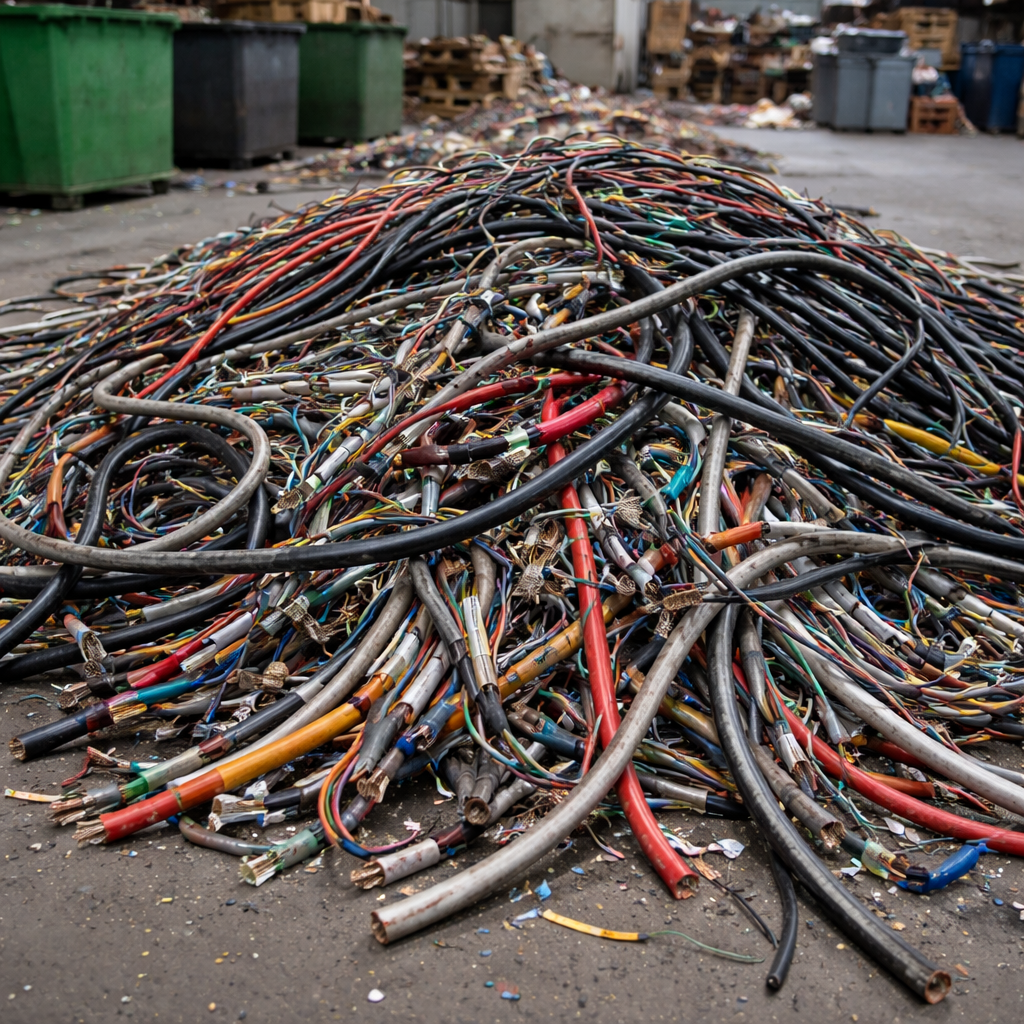
Recycling old cables is an easy and important way to cut waste, protect the environment, and support a more circular economy. For many of us, cables end up cluttering drawers and boxes, only to be forgotten. This guide will help you find the best places to recycle cables in the UK, with a focus on recycling computer cables and related accessories. By understanding your options, you can ensure these materials are handled responsibly and turned into new products.
Why recycling cables matters
Cables contain materials that can be reclaimed and reused, including copper, plastics, and rare earth metals in some components. Recycling computer cables reduces the demand for virgin resources, lowers energy consumption, and minimises hazardous waste. Proper recycling also helps prevent cables from ending up in landfill, where they can degrade and release pollutants.
What counts as recyclable cables
Not every bit of cable needs special handling, but many common types do. Here are examples of cables you can recycle:
- USB cables, HDMI cables, Ethernet (RJ45) cables
- Power cables and chargers
- Computer monitor cables, displayport, and video cables
- Audio cables and headphone cables
Check local guidelines, but when in doubt, deposit these items at a designated recycling point or e-waste centre.
Local options for recycling old cables in the UK
There are several routes you can take to recycle cables in the UK. Options include council recycling centres, textile or electrical recycling banks, and specialist e-waste recyclers. Here are the most reliable avenues:
1. Household Waste Recycling Centres (HWRCs) or tip recycling centres
Most local councils operate HWRCs where you can drop off electrical items, including cables. Some centres may require you to separate items, while others accept mixed bundles. Before you go, check your council’s website for accepted items, opening hours, and any appointment requirements. If you have a large quantity, call ahead to arrange a skip or bulk collection.
2. Electricals recycling banks
Many supermarkets and major retailers host electrical recycling banks or take-back schemes. These banks accept small electrical items, including cables. While capacity may be limited, they offer convenient drop-off points during regular shopping trips. Always verify what is accepted at the specific site.
3. Community e-waste events and collection points
Charities and local community groups often organise e-waste collection events. These events can be a great way to dispose of old cables responsibly and sometimes receive recycling vouchers or donations to charity. Keep an eye on community notice boards or local social media groups for upcoming events.
4. Specialist e-waste recyclers
For larger quantities or more complex cable waste, specialist e-waste recyclers can provide compliant collection and processing. They will ensure cables are sorted, processed, and recycled in line with environmental standards. Some recyclers offer pickup services, while others operate drop-off points.
5. Scrap metal and copper recycling centres
Since copper is a valuable component of many cables, some scrap metal yards will accept electrical cables. Not all yards do, and some may only accept bare copper or stripped wire. If you plan to visit a scrap metal yard, call ahead to confirm acceptance and any fees.
What to prepare before recycling
- Separate cables from other waste and group similar types together (USB, HDMI, power cables, etc.). This makes the processing easier for recyclers and can sometimes affect fees or eligibility.
- If possible, remove any non-cable accessories or packaging to streamline the drop-off.
- If there are stubborn or heavily insulated cables, consider stripping or cutting to improve denseness, but only if you’re comfortable and it won’t release hazardous materials.
How to identify a trustworthy recycling option
- Look for certifications or approvals, such as WEEE (Waste Electrical and Electronic Equipment) compliance, which indicates a recycler meets regulatory standards.
- Check for clear pricing, receipts, and a documented chain of custody.
- Read reviews or ask for recommendations from local community groups or IT professionals.
The role of recycling computer cables in a circular economy
Recycling computer cables supports the broader aim of a circular economy by recovering materials like copper and plastics for reuse. This reduces the environmental footprint of electronics and helps ensure that valuable metals stay in circulation instead of becoming waste.
Tips to reduce cable waste in the first place
- Use multi-port hubs and longer-lasting cables with durable designs.
- Label cables to avoid buying duplicates.
- Properly store cables to extend their life and prevent tangles.
Final thoughts
Recycling old cables in the UK is straightforward when you know where to look. By using HWRCs, electrical recycling banks, community events, and specialist e-waste recyclers, you can ensure your recycling computer cables and other cable waste is handled responsibly. Remember to sort and prepare your cables to make the process smoother for recyclers and to maximise the recovery of valuable materials. Small actions add up to significant environmental benefits over time.