What Happens to Materials Recovered from E-Waste?

Ever wondered what actually happens to your old laptop after you hand it over to e waste recyclers? That dusty computer gathering cobwebs in your Northampton office isn’t just heading to a landfill: it’s about to become part of something much bigger. Your discarded electronics contain a treasure trove of valuable materials that, when properly processed, feed directly back into manufacturing new products.
This is the circular economy in action, and it’s happening right here in Northamptonshire. When you search for “recycling electronics near me“, you’re not just disposing of waste: you’re contributing to a sophisticated system that turns yesterday’s technology into tomorrow’s innovations.
The Hidden Treasure Inside Your Electronics
Your average smartphone contains over 60 different elements from the periodic table. A typical desktop computer holds approximately 1.5kg of copper, 1kg of iron, 300g of aluminium, and even small amounts of precious metals like gold and silver. When professional e waste recycling near me services process these devices, they’re essentially mining urban ore that’s often more concentrated in valuable materials than natural deposits.
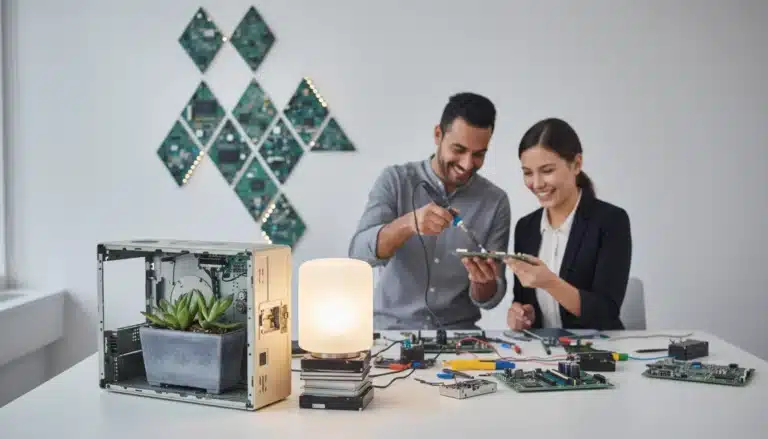
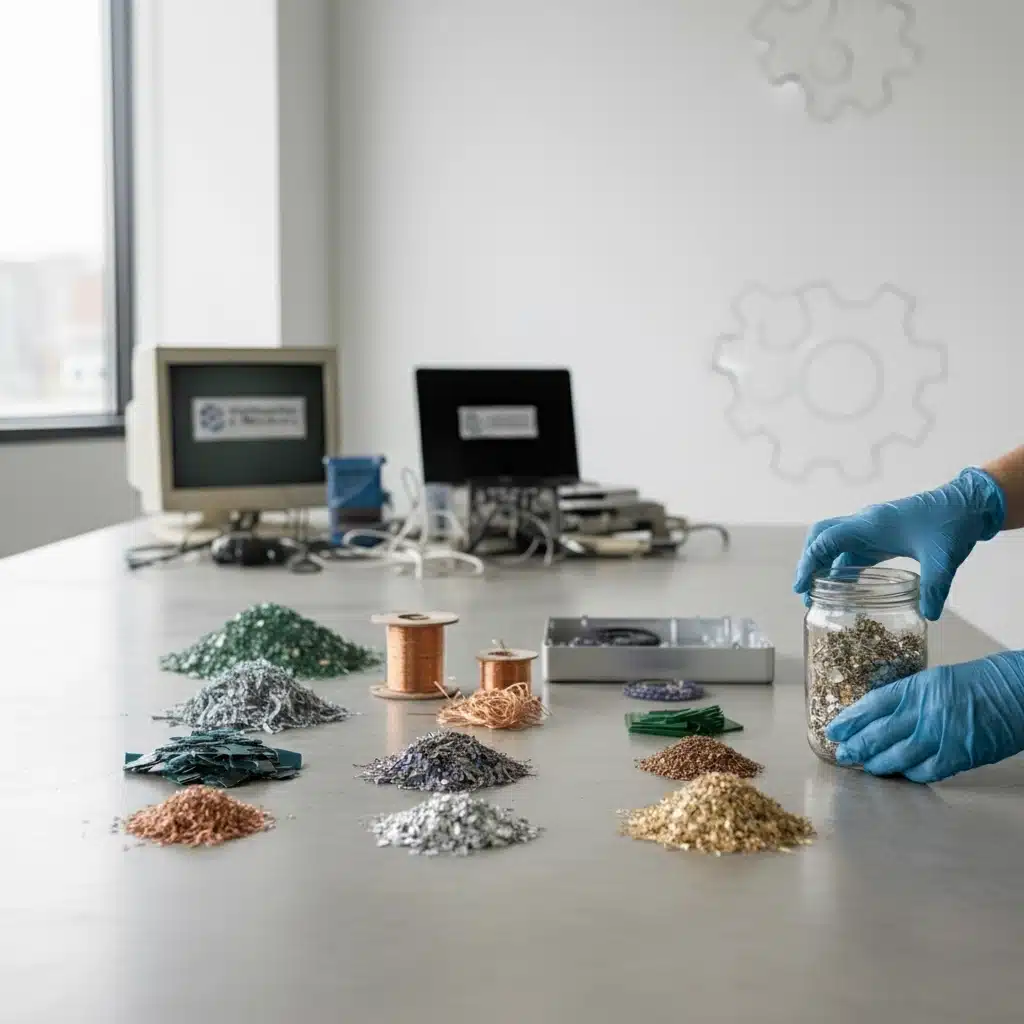
The recovery process begins with careful dismantling. Trained technicians remove batteries, separate different material types, and extract reusable components. Everything from the copper wiring to the rare earth magnets in hard drives gets sorted for specific recovery streams.

Metal Recovery: From Circuit Boards to New Products
Copper: The Backbone of Electronics
Copper makes up the largest proportion of recoverable metals from electronics. After extraction, this copper gets shipped to refineries where it’s melted down and purified to 99.9% purity. The refined copper then becomes new electrical wiring, plumbing pipes, or components for fresh electronic devices. A single tonne of circuit boards contains more copper than 200 tonnes of copper ore.
Precious Metals: Small Quantities, Big Impact
Gold, silver, platinum, and palladium might only exist in tiny amounts per device, but they add up quickly. One tonne of mobile phones contains approximately 350g of gold: that’s more than you’d extract from 17 tonnes of gold ore. After chemical recovery processes, these precious metals return to electronics manufacturing, jewellery production, or medical device manufacturing.
Aluminium and Steel: Structural Materials with Endless Lives
The aluminium casings from laptops and the steel chassis from desktop computers get processed through traditional metal recycling streams. Aluminium can be recycled indefinitely without losing its properties, making it one of the most sustainable materials in the circular economy. Recycled steel requires 75% less energy to produce than virgin steel, making it an environmental win every time.
Plastic Transformation: Beyond Simple Recycling
Electronic devices contain various plastic types, each requiring different processing methods. ABS plastic from computer cases gets shredded, melted, and reformed into pellets for manufacturing new electronic housings. The black plastic you see on most electronics? That often comes from previously recycled devices.
Advanced sorting technologies separate different plastic polymers using infrared spectroscopy. This ensures each plastic type enters the appropriate recycling stream, maintaining quality standards for new product manufacturing.

Rare Earth Elements: The Complex Recovery Challenge
Modern electronics depend heavily on rare earth elements: materials with names like neodymium, dysprosium, and terbium. These elements power everything from smartphone vibration motors to wind turbine magnets. Recovery involves complex chemical processes, but the environmental benefit is substantial. Extracting rare earths from existing electronics produces 95% less environmental impact than mining virgin materials.
Currently, most rare earth recovery happens overseas, but UK facilities are expanding their capabilities. This represents a significant opportunity for reducing supply chain vulnerabilities while supporting the circular economy.
Real-World Applications: Where Your Old Electronics Go Next
New Electronics Manufacturing
Recovered metals flow directly back into electronics production. The copper from your old desktop might become wiring in a new data centre. Gold recovered from circuit boards gets refined and used in new smartphones or medical equipment. This direct reintegration reduces the need for virgin material extraction.
Construction and Infrastructure
Aluminium and steel from electronics find new lives in building construction, automotive manufacturing, and infrastructure projects. The steel frame supporting solar panels might contain materials from decommissioned servers. This cross-industry material flow exemplifies circular economy principles.
Automotive Industry Integration
The automotive industry increasingly relies on recycled electronics materials. Electric vehicle batteries use recovered lithium and cobalt. Copper from old electronics becomes wiring harnesses in new cars. As vehicle electronics become more sophisticated, this connection will only strengthen.

Environmental Benefits: The Numbers Tell the Story
Carbon Footprint Reduction
Using recycled copper instead of virgin copper reduces carbon emissions by 85%. Recycled aluminium production generates 95% fewer emissions than primary production. For a medium-sized Northampton business disposing of 50 computers annually, proper electronics disposal near me services prevent approximately 2.5 tonnes of CO2 emissions compared to manufacturing replacements from virgin materials.
Energy Conservation
Recycling electronics saves enormous amounts of energy. Processing recycled aluminium requires just 5% of the energy needed for primary production. Steel recycling saves enough energy to power an average home for six months per tonne processed.
Resource Conservation
Every tonne of electronics recycled prevents the need to mine approximately 13 tonnes of raw materials. For rare earth elements, this ratio is even more dramatic: recycling prevents the processing of hundreds of tonnes of ore per tonne of recovered materials.
Economic Impact in Northamptonshire
Local Job Creation
The e-waste recycling industry supports numerous jobs across Northamptonshire. From collection drivers to processing technicians to administrative staff, waste recycling northampton operations create employment while delivering environmental benefits. These jobs can’t be outsourced and provide stable, skilled employment opportunities.
Business Cost Savings
Northamptonshire businesses using professional electrical waste disposal near me services often discover cost savings beyond disposal fees. Proper data destruction prevents potential security breaches that could cost thousands. WEEE compliance avoids regulatory fines. Some businesses even receive payments for high-value electronics.
Supply Chain Resilience
Local recycling capabilities reduce dependence on global supply chains for raw materials. When international trade faces disruption, recycled materials provide alternative supply sources for UK manufacturers.

The Future of Materials Recovery
Advanced Sorting Technologies
New technologies are improving recovery rates and material purity. AI-powered sorting systems can identify and separate materials with greater precision than ever before. This means higher-quality recycled materials and better economic returns for the circular economy.
Closed-Loop Manufacturing
Some manufacturers are developing closed-loop systems where their products are designed for easy disassembly and material recovery. This design-for-recycling approach maximises material value retention throughout product lifecycles.
Making It Work: Your Role in the Circular Economy
When you choose professional e-waste recycling services, you’re not just disposing of unwanted electronics: you’re feeding materials back into the circular economy. Every device properly recycled contributes to reduced environmental impact, job creation, and resource conservation.
For Northamptonshire businesses, this represents both environmental responsibility and practical benefits. Compliance with WEEE regulations, secure data destruction, and potential cost savings make professional recycling a smart business decision.
Your old electronics contain the raw materials for tomorrow’s innovations. By ensuring they reach proper e waste recyclers, you’re completing the circle that transforms waste into resources, problems into solutions, and disposal costs into environmental benefits.
Ready to turn your business’s electronic waste into circular economy fuel? Our business e-waste recycling services handle everything from collection to certification, ensuring your materials enter recovery streams that maximise both environmental and economic benefits.