E-Waste Volumes Hit 74 Million Tons by 2030: 10 Quick Hacks to Future-Proof
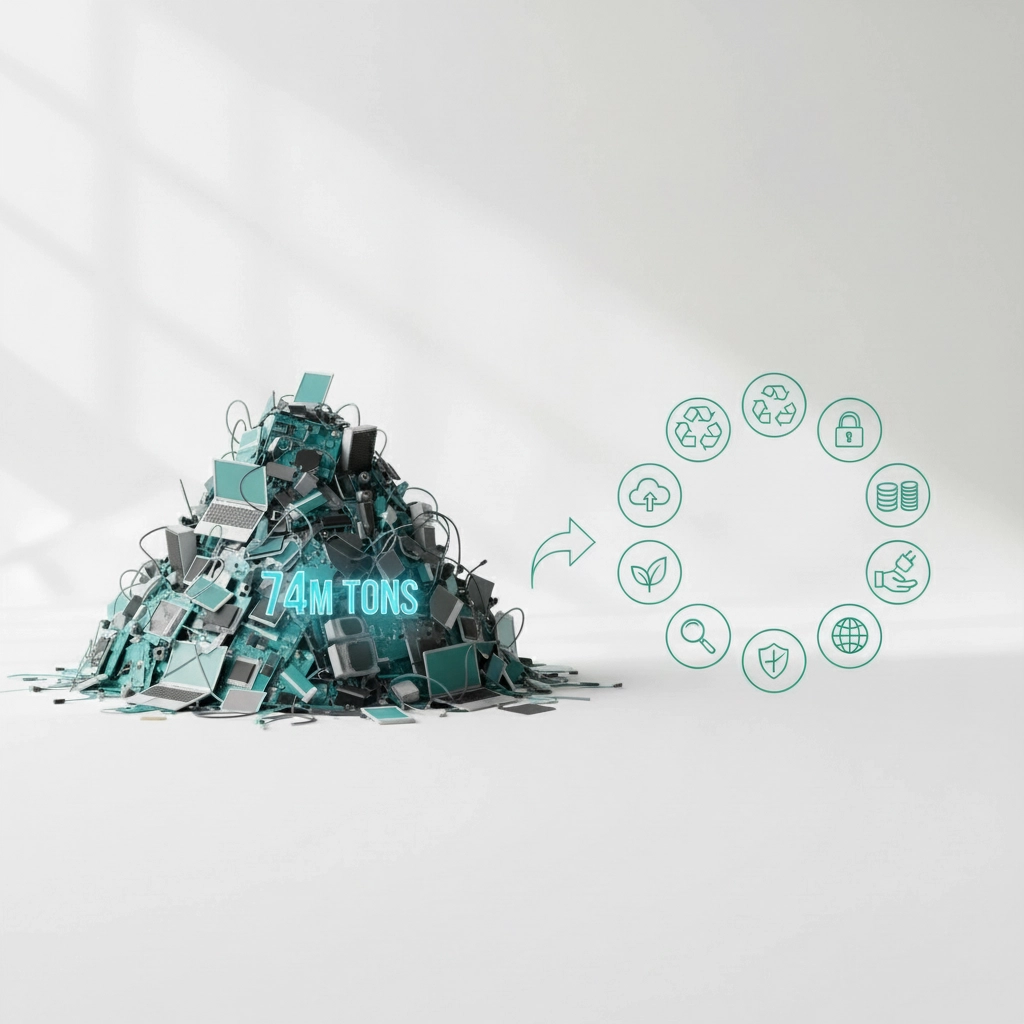
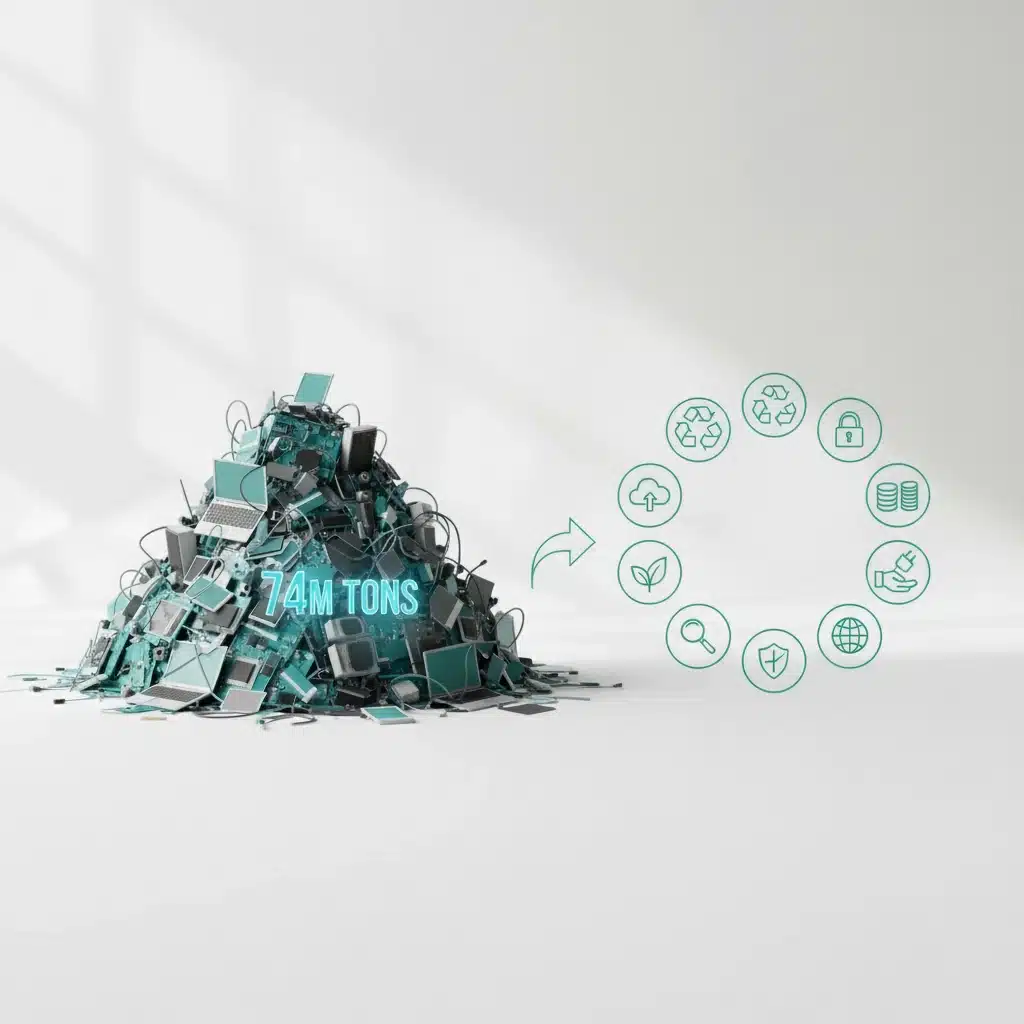
The global e-waste crisis is accelerating faster than anyone predicted. While initial projections suggested 74 million tons by 2030, the latest Global E-waste Monitor 2024 reveals we’re actually heading towards 82 million tonnes annually by 2030 – a staggering 33% increase from 2022’s 62 million tonnes.
Here’s the really concerning part: documented collection and recycling rates are dropping from 22.3% in 2022 to just 20% by 2030. That means while e-waste generation grows by 2.6 million tonnes every year, our ability to handle it properly is actually getting worse.
For businesses in the recycling sector, this creates both an enormous challenge and an unprecedented opportunity. The companies that adapt their strategies now will capture a significant portion of the $38 billion economic opportunity that proper e-waste management represents.
Why Your Current Strategy Won’t Work
The e-waste landscape is fundamentally changing. Internet of Things devices will contribute up to 15% of total e-waste by 2025. Generative AI infrastructure could add another 0.4 to 2.5 million tons annually by 2030 – equivalent to 10 billion discarded iPhones worth of specialized electronic waste.
Your business needs to evolve beyond traditional consumer electronics recycling. Here are 10 practical hacks to future-proof your recycling strategy.

1. Target High-Growth Industrial Electronics
Industrial electronics represent the fastest-growing segment of e-waste generation. Manufacturing facilities, healthcare systems, and logistics companies are upgrading equipment more frequently than ever.
Action Steps:
- Develop specialized collection protocols for medical equipment
- Create partnerships with manufacturing plants for regular equipment refreshes
- Invest in handling capabilities for industrial control systems and sensors
Healthcare facilities alone generate massive volumes through frequent upgrades of medical monitors, MRI machines, and diagnostic equipment. These items require different processing techniques than consumer electronics and often command higher fees due to their complexity.
2. Build AI and Server Infrastructure Specialization
AI infrastructure e-waste is an entirely new category that most recyclers aren’t prepared for. These systems contain specialized chips, cooling components, and rare earth elements that require specific extraction techniques.
What You Need:
- Training on AI server component identification
- Partnerships with data centers for planned obsolescence schedules
- Investment in equipment capable of processing high-density server components
The companies that establish this expertise first will dominate this emerging market as AI adoption accelerates across all industries.
3. Implement Direct Source Collection Programs
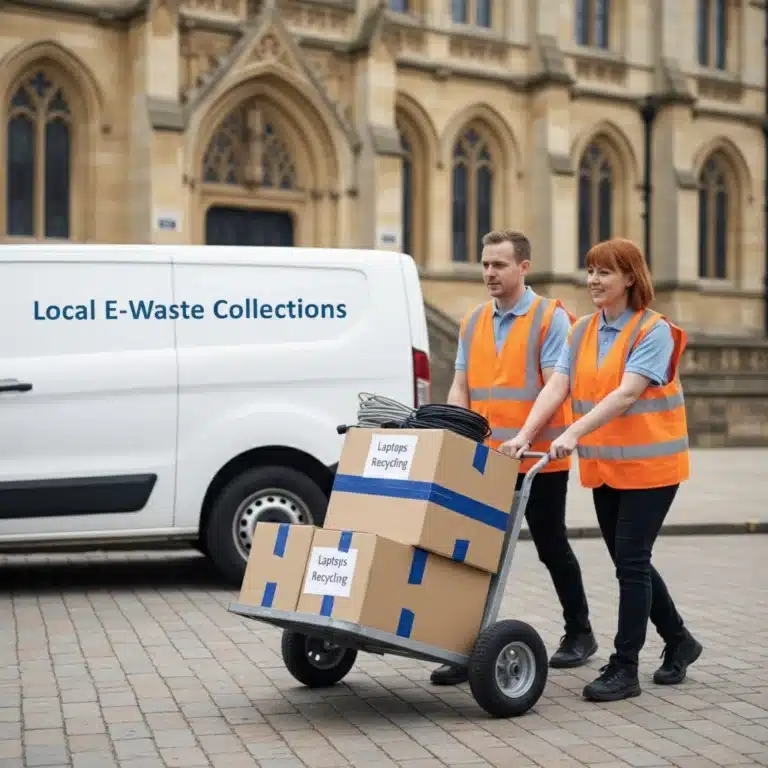
Leading enterprises increasingly prefer recyclers who can collect waste products directly from their facilities. This approach reduces contamination, improves material quality, and creates stronger customer relationships.
Implementation Strategy:
- Offer scheduled pickup services for corporate clients
- Provide on-site data destruction services
- Create logistics networks that minimize transportation costs
Direct collection also allows you to charge premium fees since you’re providing convenience and ensuring proper chain of custody for sensitive equipment.

4. Focus on Urban Growth Markets
Urbanization and expanding middle-income populations are driving e-waste generation in developing economies. These markets often lack established recycling infrastructure, creating opportunities for well-positioned businesses.
Market Entry Approach:
- Partner with local governments on infrastructure development
- Establish collection points in high-density residential areas
- Work with retailers to provide take-back programs
The key is entering these markets early, before they become saturated with competitors.
5. Develop Advanced Precious Metal Recovery
E-waste contains approximately 1.0 million tonnes of embedded critical raw materials annually, including 29 types of rare earth elements. These materials are becoming increasingly valuable due to supply chain vulnerabilities.
Recovery Focus Areas:
- Gold, silver, and platinum from circuit boards
- Rare earth elements from magnets and displays
- Lithium from battery systems
- Copper from wiring and components
Advanced material recovery creates additional revenue streams beyond basic recycling fees and positions your business as a critical supplier for manufacturing industries.
6. Create IoT Device Processing Capabilities
Smart home devices, connected appliances, and IoT sensors are reaching obsolescence at unprecedented rates. These devices often contain batteries, wireless components, and small amounts of precious metals.
Operational Requirements:
- Develop protocols for battery removal and processing
- Create sorting systems for various IoT device types
- Establish partnerships with smart home retailers for take-back programs
The volume of IoT waste will continue growing exponentially as early smart home adopters replace their first-generation devices.

7. Invest in Automated Processing Technology
Manual sorting and processing won’t scale to handle the projected volume increases. Automated systems improve efficiency, reduce labor costs, and ensure consistent material recovery rates.
Technology Priorities:
- Optical sorting systems for component identification
- Automated dismantling equipment for standardized products
- AI-powered quality control systems
- Advanced shredding and separation equipment
The recycling segment is growing faster than disposal methods specifically because of technological advancements that make material recovery more economically viable.
8. Establish Circular Economy Partnerships
Manufacturers, government agencies, and NGOs are increasingly focused on creating closed-loop systems that return recovered materials to production cycles.
Partnership Opportunities:
- Work with electronics manufacturers on take-back programs
- Collaborate with government agencies on extended producer responsibility initiatives
- Partner with NGOs on community collection programs
- Develop relationships with raw material suppliers who can use recovered materials
These partnerships create stable supply chains and often include long-term contracts that provide business security.
9. Offer Regulatory Compliance Services
Government regulations around e-waste management are becoming more complex and stringent. Businesses need help navigating compliance requirements, creating additional revenue opportunities.
Service Offerings:
- Compliance consulting and documentation
- Certificate of destruction services
- Regulatory reporting assistance
- Training programs for corporate clients
Compliance services create sticky customer relationships since businesses typically prefer working with a single provider who understands their specific regulatory requirements.

10. Scale Infrastructure for Volume Growth
The e-waste management market is projected to grow at a 6.7% compound annual growth rate through 2030. Your infrastructure must anticipate processing double or triple your current volumes.
Scaling Strategy:
- Plan facility expansions in phases
- Invest in modular equipment that can grow with demand
- Develop workforce training programs
- Create efficient logistics networks for increased collection volumes
Companies that fail to scale appropriately will lose market share to competitors who can handle the volume growth.
Making It Work in Northamptonshire
The strategies above work globally, but implementation depends on your local market conditions. In Northamptonshire, focus on partnerships with the region’s manufacturing sector, healthcare facilities, and growing technology companies.
Our experience shows that businesses succeed when they start with one or two specializations rather than trying to implement everything simultaneously. Choose the hacks that align with your current capabilities and local market opportunities.
The e-waste crisis represents the fastest-growing environmental challenge globally, but it’s also creating unprecedented business opportunities. Companies that adapt their strategies now will be positioned to capture significant market share as the industry continues evolving.
If you need assistance developing your e-waste recycling strategy, contact our team to discuss how these approaches can work for your specific situation.