
How Much E-Waste Is Improperly Disposed of Each Year in the UK?

E-waste, or electronic waste, is a growing challenge for households, businesses, and the environment. In the UK, the question of how much e-waste isn’t properly disposed of each year touches on illegal dumping, poor recycling practices, and gaps in national data. By exploring the facts, myths, and practical actions, we can better understand the scale of the problem and what we can do to improve e-waste recycling nationwide.
Introduction: Why e-waste disposal matters
Every year, millions of electronic devices reach end-of-life. From smartphones and laptops to televisions and tiny IoT gadgets, these items contain valuable materials (like copper, gold, and rare earth metals) and hazardous substances (such as lead, cadmium, and brominated flame retardants). When e-waste isn’t properly disposed of, it can harm human health, pollute soils and waterways, and waste resources that could be reused. The topic isn’t just about volume; it’s about accountability, infrastructure, and consumer habits that shape the UK’s environmental footprint. This post dives into how much e-waste isn’t properly disposed of each year in the UK and what that means for e-waste recycling efforts.
Understanding the landscape: how e-waste is tracked in the UK
To grasp the scale of improper disposal, it helps to understand how e-waste is collected and reported. In the UK, households typically dispose of electronics through local authority recycling centres, retailer take-back schemes, or manufacturer take-back programs. Businesses must follow waste electrical and electronic equipment (WEEE) regulations, which set targets for reuse, recycling, and recovery.
However, data on illegal dumping or unreported disposal is inherently tricky. Not all improper disposal is visible, and some devices are discarded with general waste, vanishing into landfill or incineration without trace. Regulatory bodies compile statistics on collected WEEE, recycled materials, and reported incidents, but unreported mismanagement remains a grey area, making precise estimates challenging. When we discuss “how much e-waste isn’t properly disposed of,” we’re often dealing with ranges, estimates, and proxy indicators rather than exact numbers.
The scale of e-waste in the UK: what the official statistics show
- UK households generate a substantial amount of e-waste each year. Estimates from government and industry bodies suggest millions of tonnes of WEEE are generated annually in Europe, with the UK contributing a sizable share within the European context.
- Collection schemes capture a large portion of end-of-life electronics, but not every item is recovered through formal channels. Some devices are resold, reused, or refurbished, while others may be discarded improperly.
- The overall rate of proper e-waste recycling has improved over time due to stricter regulations, consumer awareness, and better take-back schemes. Still, gaps exist, particularly with small IT equipment, batteries, and certain consumer electronics.
Because precise UK-wide figures for improper disposal are not always published as a single statistic, researchers often refer to:
- Estimated leakage into general waste streams
- Reports of illegal dumping or unauthorised export
- Variations in recycling rates by material type and device category
Common pathways for improperly disposed e-waste
Understanding where improper disposal tends to occur helps in targeting improvements:
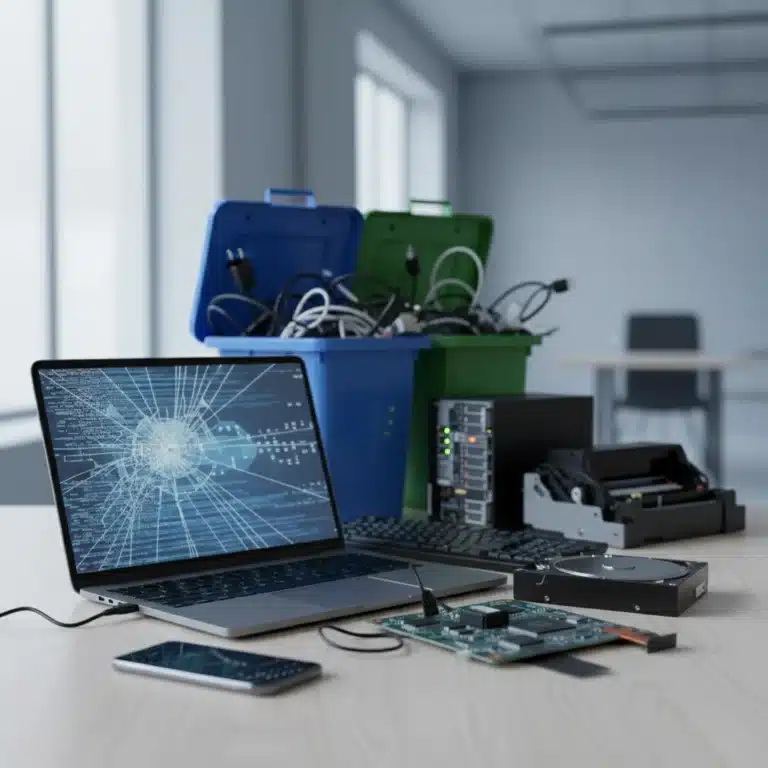
- General waste streams: Small devices or broken electronics that end up in household rubbish bins are not captured by e-waste recycling programs.
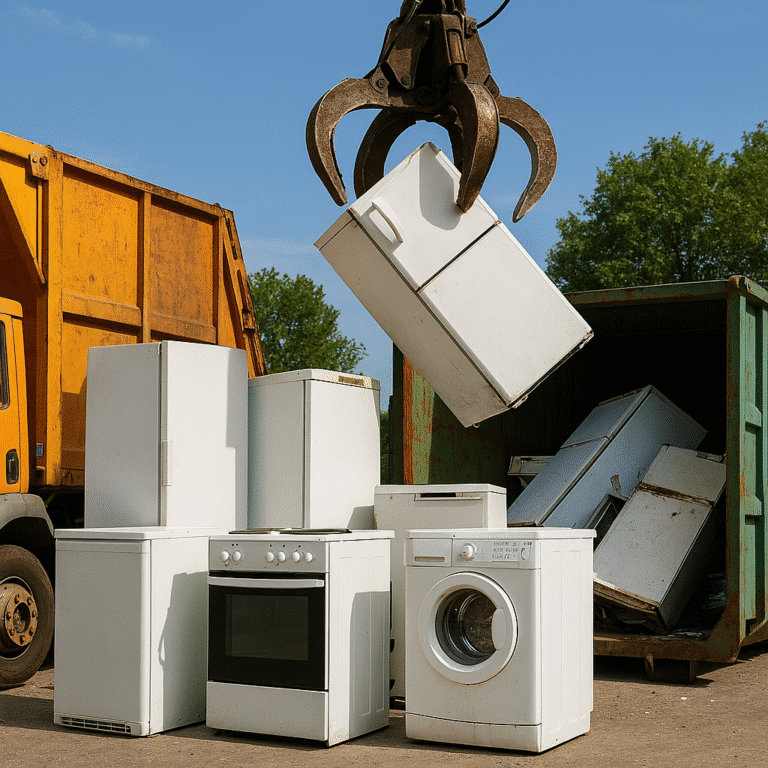
- Fly-tipping and illegal dumping: Some individuals and businesses illegally dump electronics in skipped containers, roadside locations, or non-designated sites.
- Export to other countries: Under certain circumstances, e-waste is shipped overseas, sometimes to countries with less stringent environmental controls, leading to improper handling.
- Informal recycling sectors: In some contexts, informal refurbishing and material recovery may occur without proper safety and environmental controls.
The role of e-waste recycling in addressing the issue
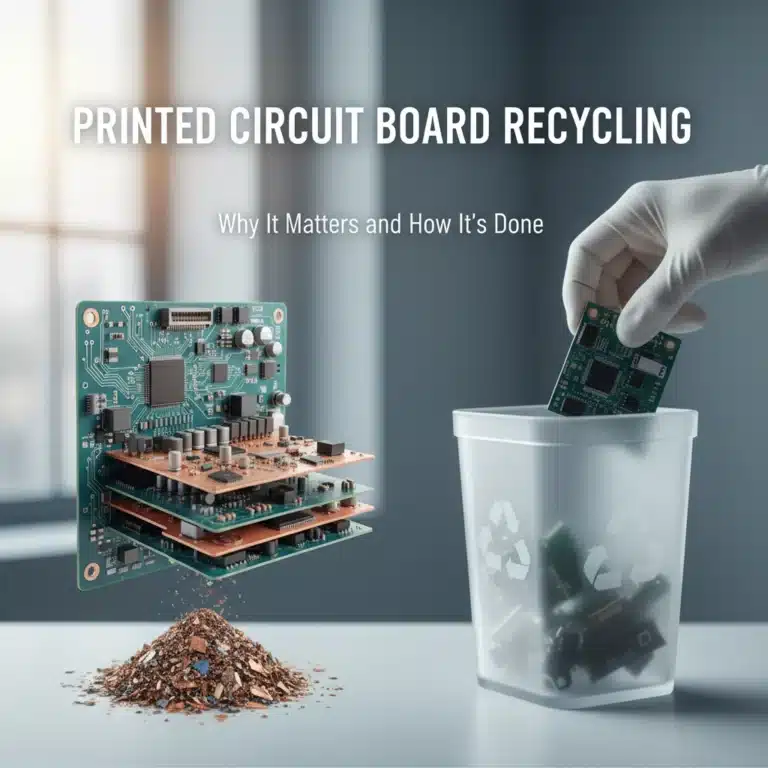
Effective e-waste recycling is central to reducing improper disposal. In the UK, e-waste recycling involves:
- Safe collection and sorting to separate reusable items from those requiring material recovery
- Safe dismantling to recover metals and plastics
- Safe handling of hazardous substances to protect health and the environment
- Data destruction for devices containing personal information
Investment in infrastructure, such as extended producer responsibility schemes and improved take-back programs, helps ensure more devices are captured and recycled correctly.
Why accurate data matters
- Policy decisions rely on accurate data about generation, collection, and recycling.
- Understanding gaps helps policymakers set realistic targets and funding for e-waste recycling facilities.
- Businesses can plan better take-back programs and supply chains to minimize improper disposal.
If you’re looking for concrete figures, consult sources from:
- UK government departments (such as the Department for Environment, Food & Rural Affairs – DEFRA)
- Environment Agency and WA MEEE (Waste Electrical and Electronic Equipment) statistics
- Industry bodies and research institutions that publish annual reports on WEEE generation and recycling rates
These sources often publish annual or biennial data dashboards that illustrate trends, including the proportion of e-waste that is captured through formal channels versus estimated leakage.
What individuals can do to improve e-waste recycling
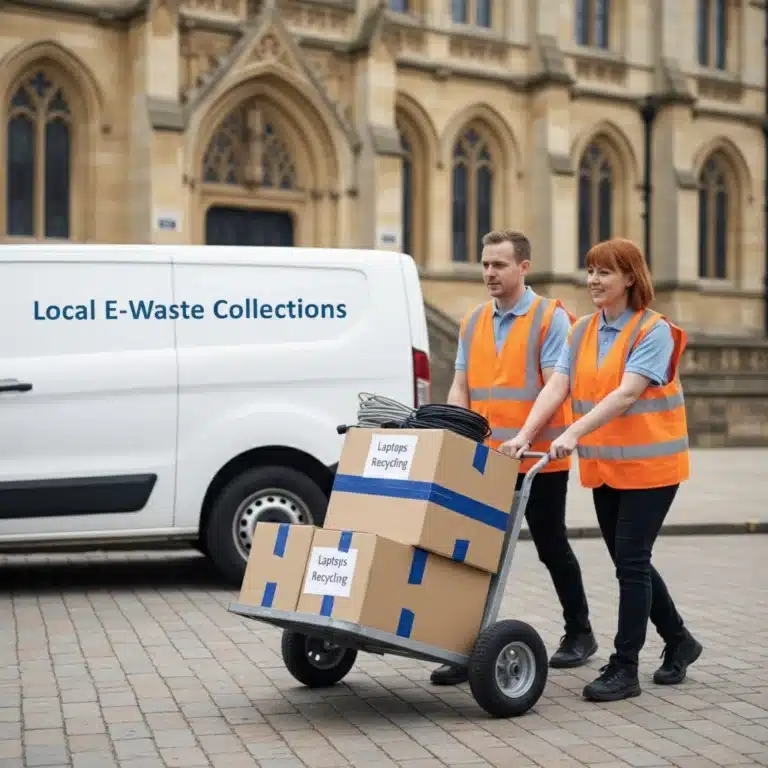
- Recycle responsibly: Use local authority recycling centres and approved retailers that offer take-back schemes.
- Choose refurbished or certified devices: Extending device life reduces new e-waste generation and supports circular economy practices.
- Remove personal data: Before disposal, back up data and factory-reset devices to protect privacy.
- Check batteries separately: Batteries require special handling; many schemes expect you to separate them from other e-waste.
- Support policies and programmes: Advocate for stronger WEEE compliance, better producer responsibility, and accessible take-back options.
By taking personal responsibility and supporting robust e-waste recycling systems, households and businesses can reduce the amount of e-waste that isn’t properly disposed of each year in the UK.
Final thoughts
The question of how much e-waste isn’t properly disposed of each year in the UK doesn’t have a single, simple answer. It hinges on detection, reporting, and the effectiveness of collection and recycling systems. What is clear is that improving e-waste recycling requires a concerted effort from individuals, retailers, and policymakers. Strengthening take-back schemes, expanding compliant recycling channels, and maintaining transparent, accessible data will move the UK toward higher capture rates and safer, more sustainable handling of electronic devices. By prioritising e-waste recycling, we can protect the environment, conserve resources, and create a healthier digital economy for the long term. Please contact Northamptonshire E-waste and Electrical Recycling to ensure your e-waste is properly and compliantly disposed of.