New WEEE Rules 2025: 7 Changes Every Northampton Business Must Know (Before You Get Fined)

This guide explains the key 2025 updates to UK WEEE obligations and how they affect everyday business waste routines in Northampton. Use it to tighten processes, reduce risk, and prepare for inspections.
Who should read this:
- Office managers, IT leads, facilities teams, and SMEs disposing of electrical and electronic equipment (EEE)
- Any Northampton business that arranges collections, stores old equipment on-site, or buys/imports EEE
How to use this guide:
- For each change, review the action list and assign an owner and a date.
- Keep your waste paperwork up to date and accessible; expect more spot checks.
The 7 biggest changes in 2025
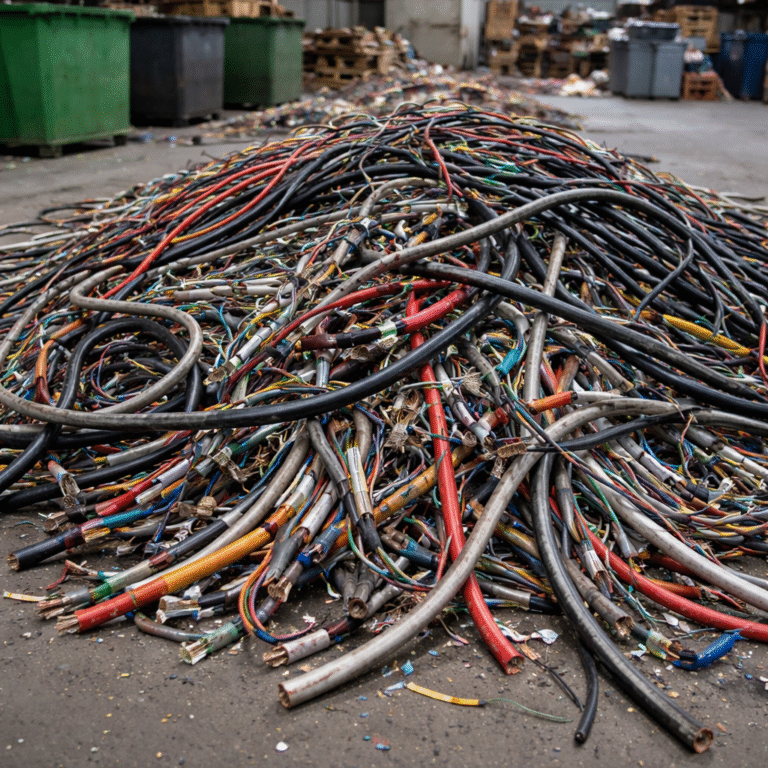
1) Wider EEE scope: accessories, loose parts, and “odd cables” are clearly in scope
What changed:
- Guidance now emphasises that low-value accessories and components (e.g., power supplies, leads, adapters, loose circuit boards, cards) are EEE/WEEE when discarded. What you should do:
- Add “cables, chargers, parts, and components” to your WEEE inventory categories.
- Provide a labelled box or tote for odd leads and small parts in each area.
- Use a local recycler who accepts mixed small batches and segregates correctly. Risk if you ignore:
- Misclassification and binning with general waste can trigger enforcement notices and fines.

2) Digital waste records: more data, better traceability
What changed:
- Rollout of digital waste tracking and tighter record expectations mean fuller, consistent records for each movement of business WEEE. What you should do:
- Ensure every collection generates a complete Waste Transfer Note (WTN) or consignment note (for hazardous WEEE) with EWC codes, quantities, and carrier details.
- Retain WTNs for at least 2 years and hazardous consignment notes for at least 3 years.
- Choose carriers and sites that can provide digital copies on request. Risk if you ignore:
- Paperwork gaps are a common reason for penalties during inspections.
3) POPs controls: stricter handling of certain plastics and displays
What changed:
- Enforcement focus has increased on POPs (persistent organic pollutants) in some WEEE plastics and legacy display equipment. What you should do:
- Keep flat-panel screens, older displays with CCFL backlights, and equipment casings suspected to contain brominated flame retardants separate.
- Use a recycler with approved POPs treatment routes and confirmation on documentation. Risk if you ignore:
- Incorrect treatment of POPs waste can lead to costly remediation and sanctions.
4) Batteries out: mandatory removal and safer storage
What changed:
- Stronger emphasis on removing batteries from WEEE before bulk storage/collection, and segregating battery chemistries to prevent fires. What you should do:
- Remove loose batteries and pack separately in lidded, non-conductive containers with tape over terminals.
- Store lithium batteries away from heat and ignition sources; agree a separate collection stream where needed.
- Train staff not to bin batteries or vapes with general waste. Risk if you ignore:
- Fire risk, site shutdowns, and enforcement action for improper storage/handling.
5) Reuse standards and data safety: itemised proof expected
What changed:
- Clearer expectations for evidence of safe testing for reuse and itemised data destruction for data-bearing devices. What you should do:
- For any device with storage media, require itemised Certificates of Data Destruction (CoD) listing serial numbers and method (wiped or shredded).
- Use GDPR-aligned, ICO-registered processors and maintain your asset logs to match CoD records.
- Ensure reuse partners provide test/grade documentation and traceable downstream routes. Risk if you ignore:
- Data breaches can trigger ICO action; undocumented reuse attracts compliance scrutiny.

6) Duty-of-care clarity for B2B take-back and service chains
What changed:
- Greater clarity that businesses must be able to evidence lawful routes for WEEE whether using supplier take-back, a producer scheme, or an independent collector. What you should do:
- If you buy new equipment, agree take-back terms in writing with the supplier or confirm your recycler’s acceptance and scope (including niche items).
- Verify registrations: Waste Carrier licence, site exemptions/permits (e.g., T11), and that you receive WTNs/consignment notes every time. Risk if you ignore:
- No clear route or missing paperwork can be treated as a breach of duty of care.
7) Segregation on-site: small mixed loads still need proper sorting
What changed:
- Inspections now commonly check that small mixed business loads (IT, leads, peripherals, small appliances) are stored safely and segregated. What you should do:
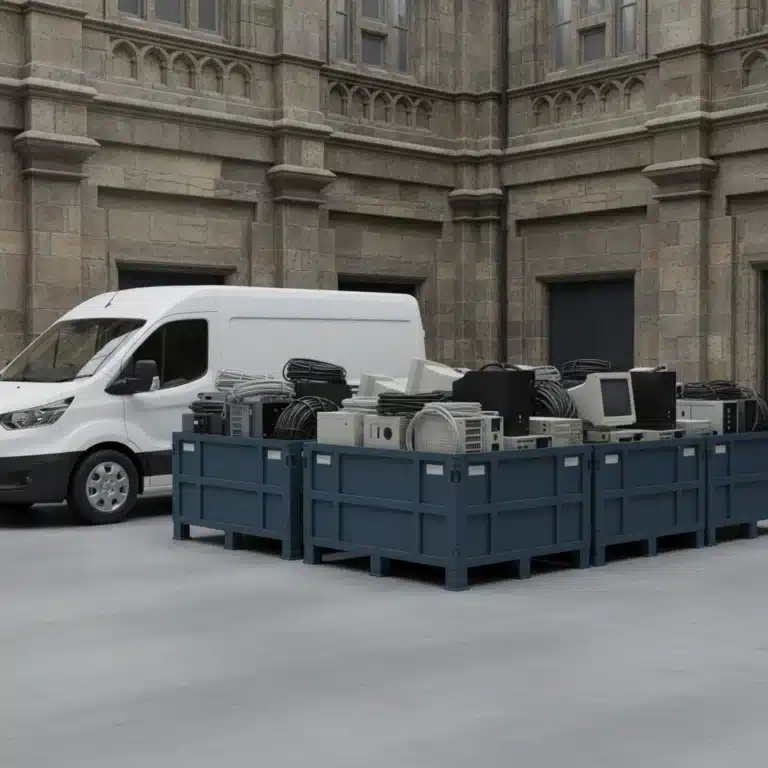
- Provide separate containers for: IT equipment, cables/parts, display devices, batteries, and small appliances.
- Keep WEEE under cover, off the ground, and labelled; avoid overfilling cages or pallets.
- Use flexible local collections to clear small batches regularly. Risk if you ignore:
- Poor storage and mixed hazardous/non-hazardous WEEE increase fines and rejection fees.
Quick compliance checklist for Northampton businesses
- Confirm your approved carriers and sites: Waste Carrier licence, Environment Agency registrations (e.g., T11), and insurance on file.
- Standardise paperwork: correct EWC codes, signatures, dates, quantities; keep retention periods (2 years WTN, 3 years hazardous).
- Segregate on-site: displays, batteries, IT/data-bearing devices, cables/parts.
- Require itemised data destruction certificates for any data-bearing asset.
- Schedule regular collections to prevent stockpiles and storage risks.
- Train staff annually on WEEE sorting, battery safety, and paperwork.
- Audit your downstream once a year; keep evidence and corrective actions.
Your local recycling partner (Northampton and 50-mile radius)
We provide:
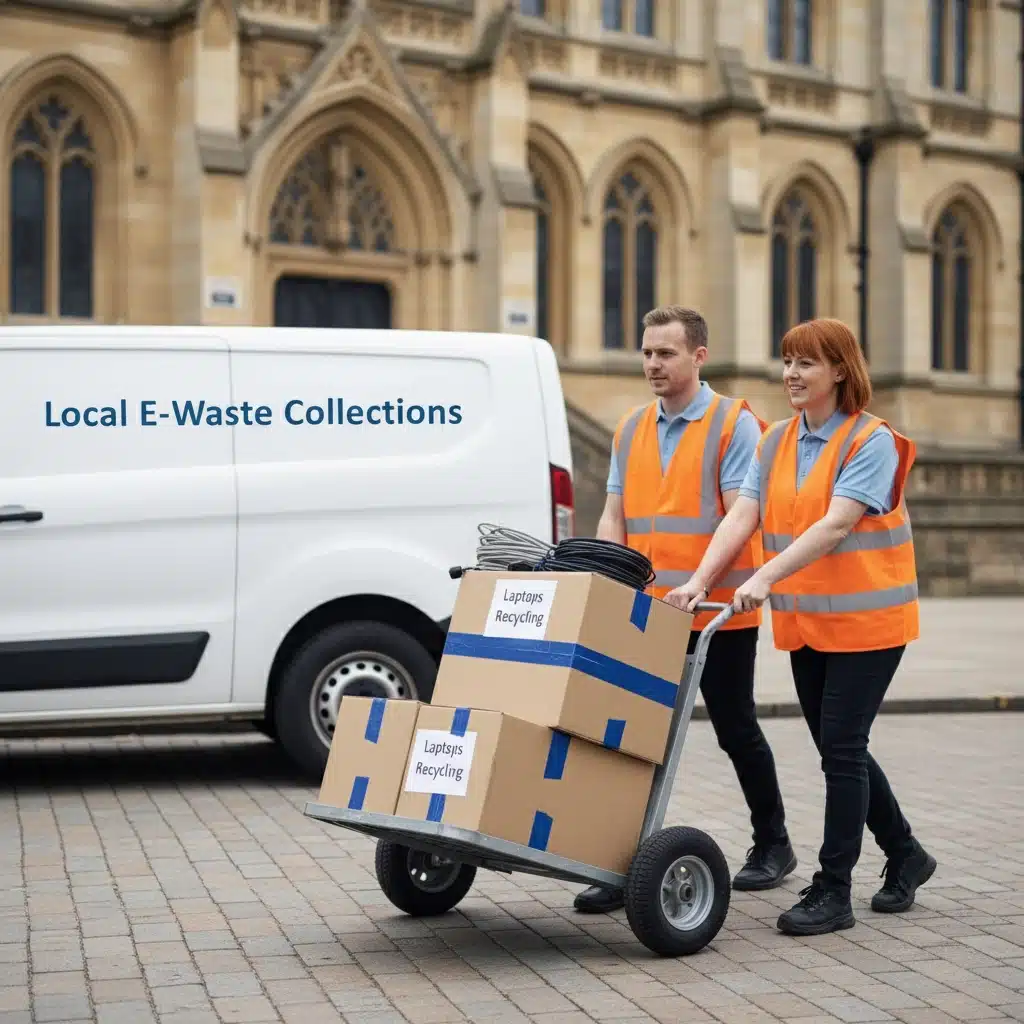
- Free collection for 10+ qualifying items, with evening/weekend slots available.
- Certified offsite data destruction with itemised certificates and full chain of custody.
- Zero-landfill processing, WEEE-compliant treatment routes, and POPs-safe handling.
- Environment Agency T11 registration, Waste Carrier Licence, and ICO registration.
- Waste Transfer Notes/consignment notes issued on collection.

For tailored guidance on the 2025 WEEE updates, see our service page: business e-waste recycling, or contact our team to book a compliance review and collection plan.