Post‑Christmas Electrical Clear‑Out: Safe Ways To Recycle Gadgets And Cables
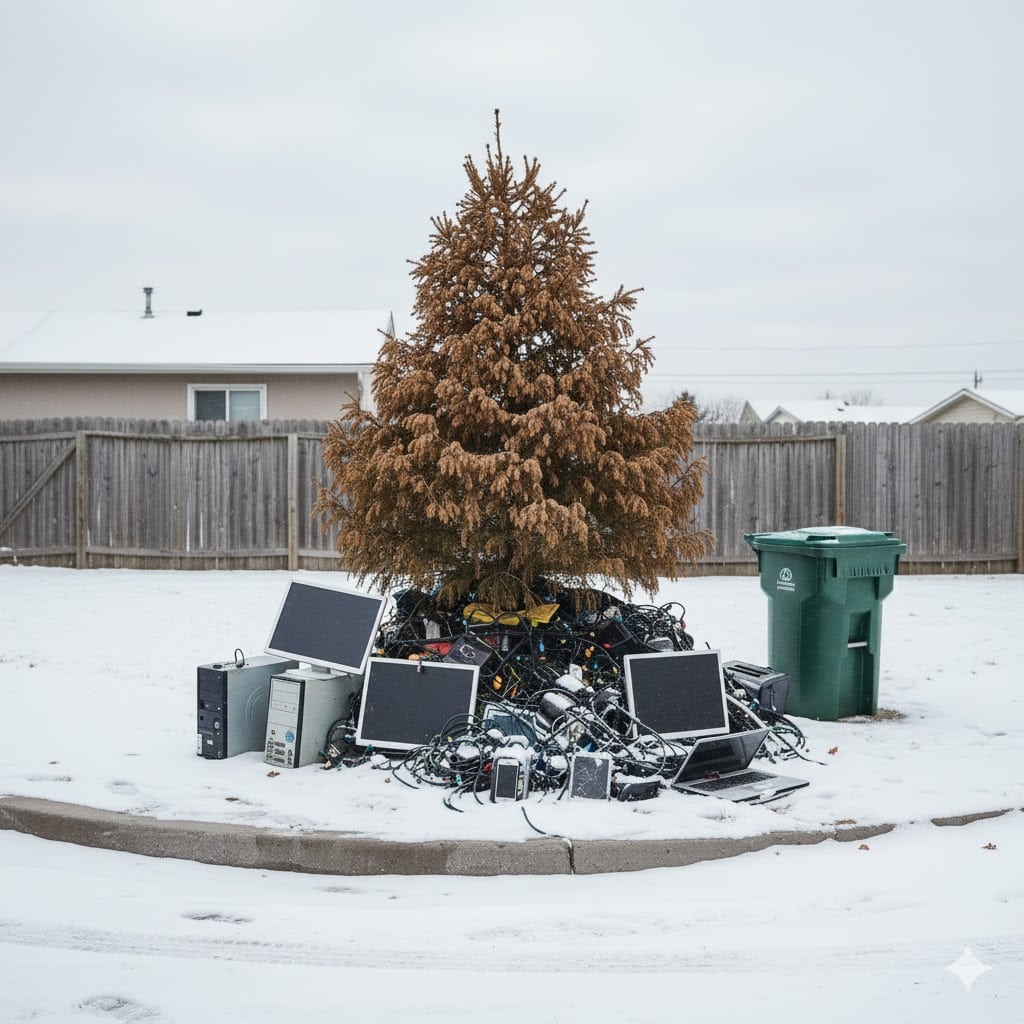
The week after Christmas is when many of us face a tangle of old chargers, outgrown kids’ electronics, and small appliances that have just been replaced. If you are wondering how to deal with the pile without harming the environment or risking data, you are not alone. This guide explains what counts as WEEE, how to bundle items for collection, safe storage tips, and the best options if you only have a handful of items. You will finish with a clear plan to recycle responsibly in the New Year.
What counts as WEEE after Christmas?
WEEE stands for Waste Electrical and Electronic Equipment. In practical household terms, this includes:
Computers and laptops, keyboards, mice, external drives and USB sticks
Tablets, e-readers, phones and handheld game consoles
Kids’ toys with plugs or batteries, remote control cars, learning tablets
Routers, modems, switches, smart home hubs and set-top boxes
POS-style gadgets used at home businesses, card readers and label printers
Small appliances such as kettles, toasters, hairdryers and electric toothbrushes
Chargers, cables and power banks
If it has a plug, uses a charger, or contains a battery, treat it as WEEE.
Can you bin it or put it in household recycling?
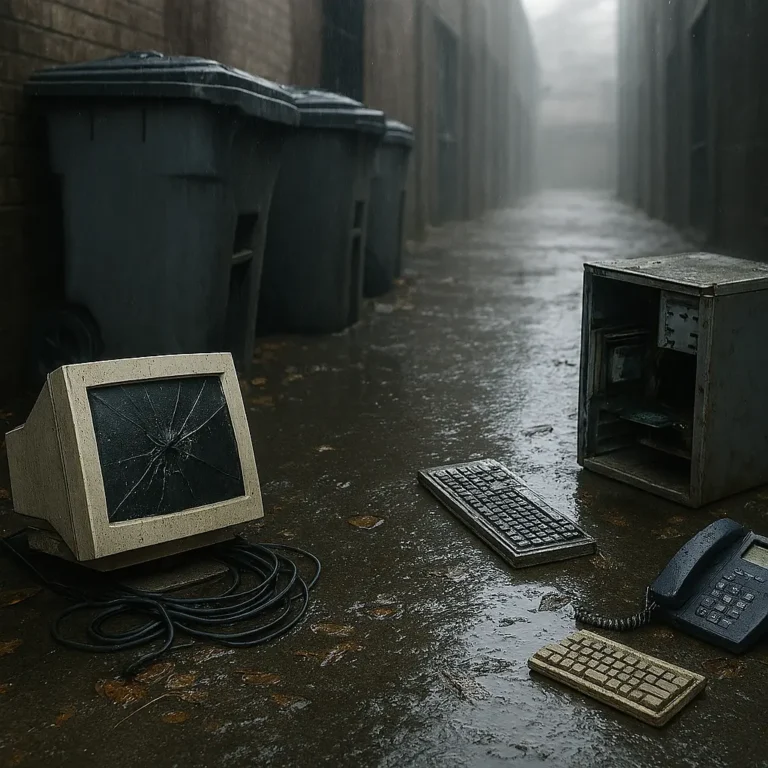
Can you throw small electrical appliances in the bin? No. Putting electricals in general waste risks fires and means valuable materials are lost.
Can I put electrical items in my recycling bin? No. Kerbside mixed recycling does not accept electronics or batteries. Electricals need specialist treatment.
How do I dispose of old electrical supplies in the UK? Use a licensed recycler, your council’s HWRC, a retailer take-back scheme, or book a local collection service that handles WEEE. Recycling WEEE correctly prevents hazardous leaks, avoids bin lorry fires triggered by damaged batteries, and keeps metals such as copper and aluminium in circulation.
What to do with old chargers and cables in the UK?
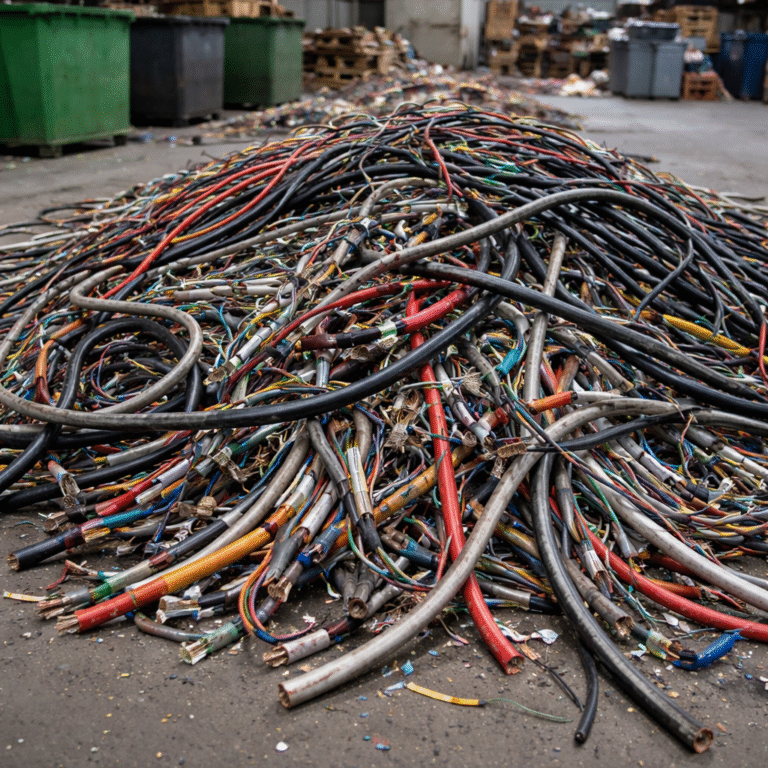
Leads and chargers are rich in copper and should never go to landfill. Coil each cable, secure with a reusable tie or paper tape, and group them in a strong bag or small box. Keep chargers with their matching device if possible to aid reuse. If you only have loose cables, most WEEE drop-off points will accept them, and licensed collectors process them to recover the metals.
Safety first, especially with batteries
Remove batteries where possible. Place loose batteries in a small plastic tub or a clear bag, keep them cool and dry, and tape the terminals of lithium cells to reduce short-circuit risk. Do not charge damaged batteries. If you notice swelling, heat, or a chemical smell from a laptop battery or power bank, isolate it on a non-flammable surface and contact a professional for advice. Keep items intact. Do not dismantle toys, laptops or small appliances at home. Intact items are safer to move and easier to recycle correctly.
Store indoors and off the floor. Use a dry area and sturdy containers. Avoid cardboard for long-term storage in garages or sheds as it absorbs moisture.
If you are unsure whether something is hazardous, ask before moving it. Professional advice is always available.
How to bundle items for a smooth collection
Grouping items well makes collection faster and safer:
Separate by type. Create small piles for computers and tablets, phones, networking gear, small appliances, and a clearly labelled box for chargers and cables.
Label data-bearing devices. Laptops, PCs, tablets and phones should be easy to identify so they can follow secure data handling.
Keep batteries together. Place removable batteries in a separate labelled container.
Note any problem items. If you have a swollen battery or ageing UPS unit, set it aside and tell your collector before they arrive.
When you book a pickup, provide a simple list and an estimate of quantities. This helps your provider confirm whether you qualify for free collection and plan the right vehicle and documentation.
Fewer than 10 items? Here are your options
If you do not reach the typical free collection threshold, you still have easy routes:
Retailer take-back. Many UK retailers accept old electricals when you buy a replacement. Some also offer mail-back for small gadgets and cables.
Community and school drives. Look for local tech clear-outs or fundraising collections where responsible partners manage the WEEE.
Council HWRCs. Your household waste recycling centre usually has a WEEE area for small electricals and batteries. Check holiday opening hours.
Paid pickup. If you prefer doorstep convenience for a small load, licensed collectors can arrange a low-volume collection for a modest fee.
Choose the option that best fits your schedule. The important step is to keep electricals out of your bins.
Data security for laptops, tablets and phones
Before handing over devices:
Sign out of cloud accounts and disable device locks where safe to do so.
Remove SIMs and memory cards.
Where possible, back up your data. If you cannot access a device, a licensed recycler can manage secure wiping or physical destruction and provide certification on request.
At Northamptonshire E-waste and Electrical Recycling, data-bearing items follow a documented chain-of-custody from pickup to processing. Storage devices are wiped to recognised standards where possible, or physically destroyed where wiping is not appropriate. Certificates of data erasure or data destruction are available on request.
Why responsible recycling matters
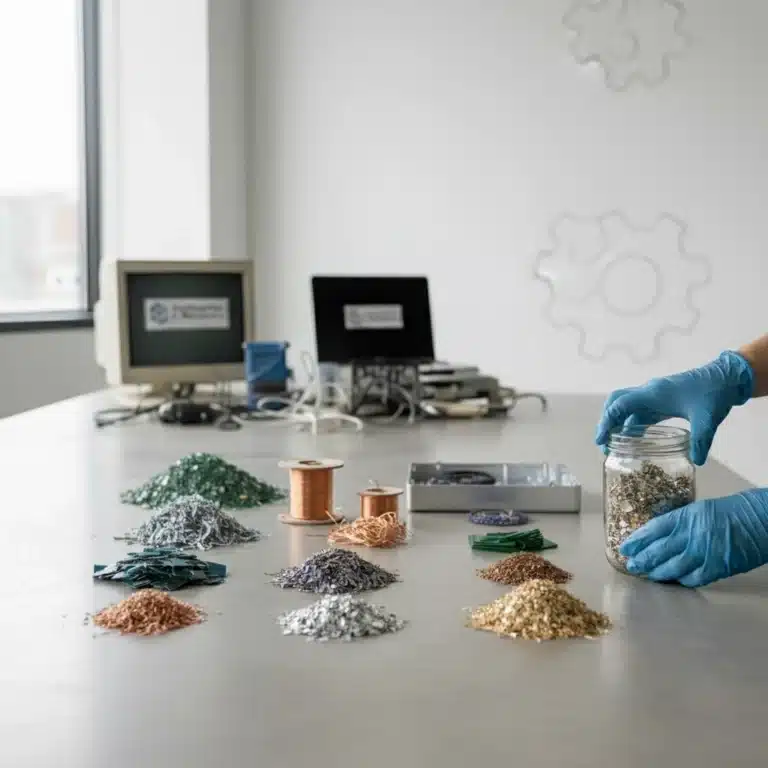
Every cable and gadget you recycle supports the circular economy. Materials recovered from circuit boards and cabling, such as copper, aluminium, gold and plastics, are returned to manufacturing. Responsible processing also prevents hazardous components from entering the environment. Our policy is simple, nothing we collect goes to landfill. Reuse comes first when a device can be refurbished, and non-reusable items are processed through licensed partners for material recovery.
How do I get rid of my e-waste locally?
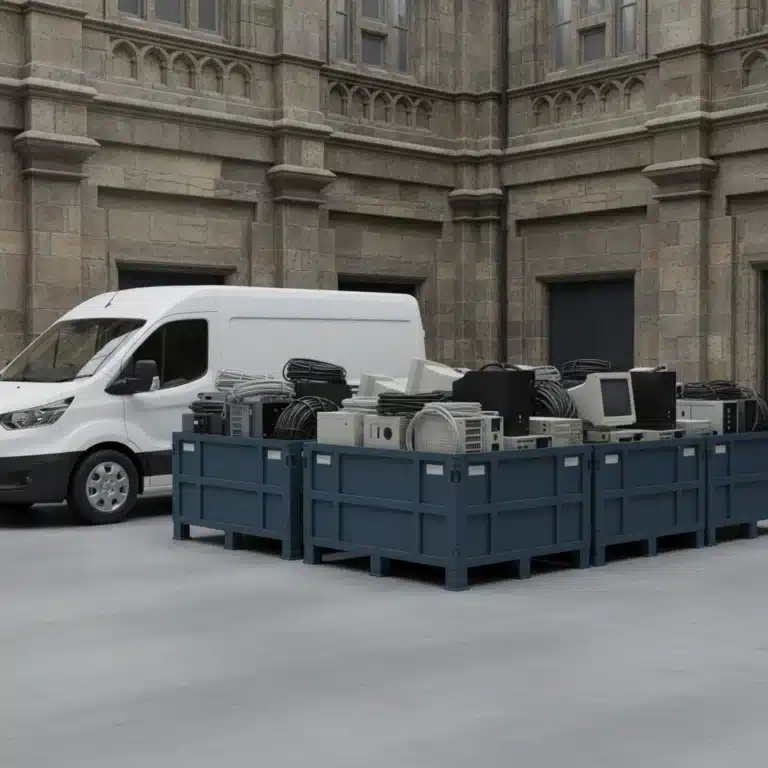
If you are in or around Northampton, you can book a flexible collection seven days a week, including evenings and weekends. Provide your item list, quantities and preferred window, and we will confirm eligibility for free pickup if you have 10 or more qualifying items. We log items at pickup, handle them under chain-of-custody, manage secure data wiping or destruction for data-bearing devices, and route all materials through licensed, zero-landfill pathways. If you prefer a drop-off solution, check your retailer’s take-back policy or your council’s HWRC.
If you are searching for e-waste support, you can explore e-waste collection services and learn what we accept on our website. For individual devices, especially computers and laptops, many readers find it useful to look up computer recycling near me for clear guidance on preparation and booking.
Quick checklist before you recycle
Remove or isolate batteries, tape terminals on loose lithium cells
Keep items intact and store them dry, off the floor
Group by type and label data-bearing devices
Back up and sign out of accounts where possible
Note any damaged batteries or UPS units and alert your collector
Book your New Year collection
January slots fill fast. If you are within 50 miles of Northampton, contact Daniel at Northamptonshire E-waste and Electrical Recycling to schedule a household pickup. We provide secure handling, documentation on request, and a zero-landfill route for your post-Christmas electronics. Email [email protected] or call +44 07756145492 to book your pickup and start the year with a clear, clutter-free home.
Summary: Electricals do not belong in your bin or kerbside recycling. Treat anything with a plug, charger, or battery as WEEE. Store items safely, remove batteries where you can, and group devices for smooth collection. Use retailer take-back, community drives, council HWRCs, or book a licensed local pickup. By acting now, you keep hazardous materials out of the environment and put valuable resources back to work.