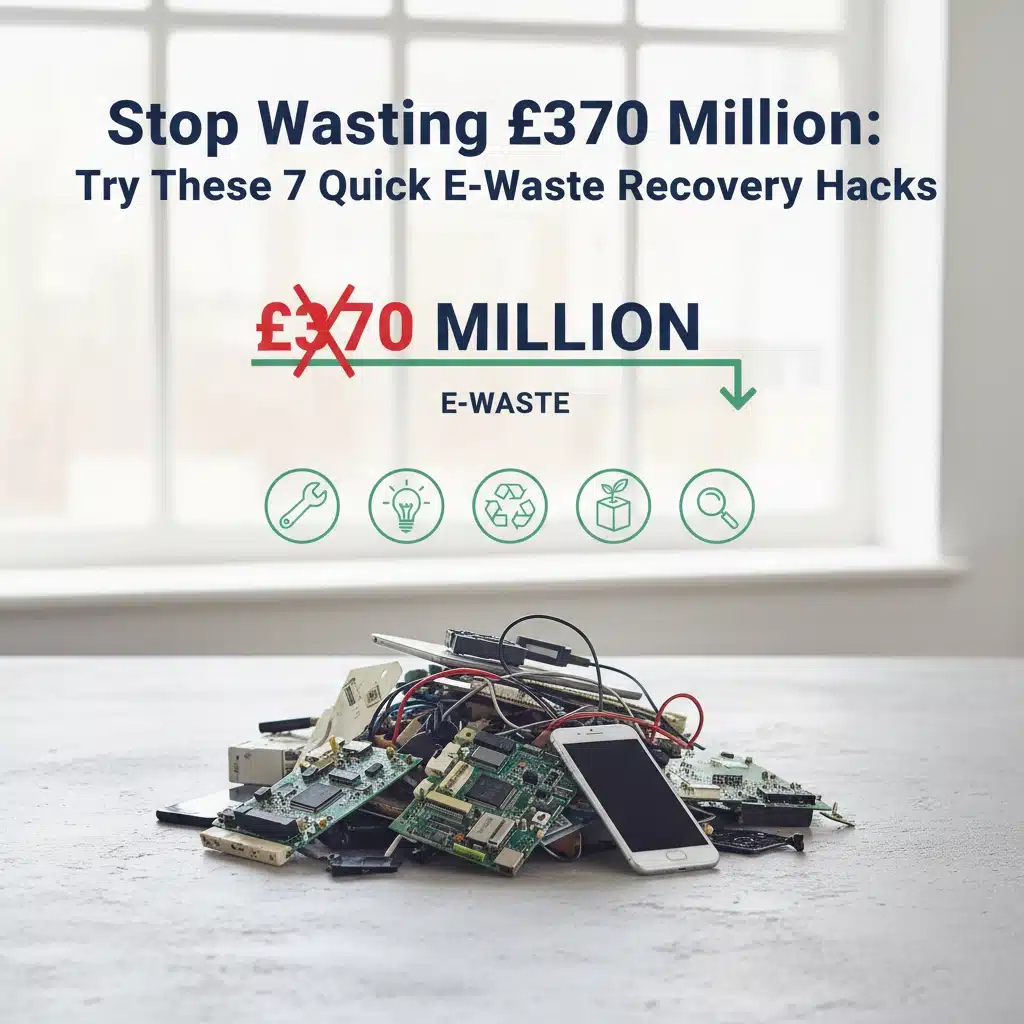
Stop Wasting £370 Million: Try These 7 Quick E-Waste Recovery Hacks
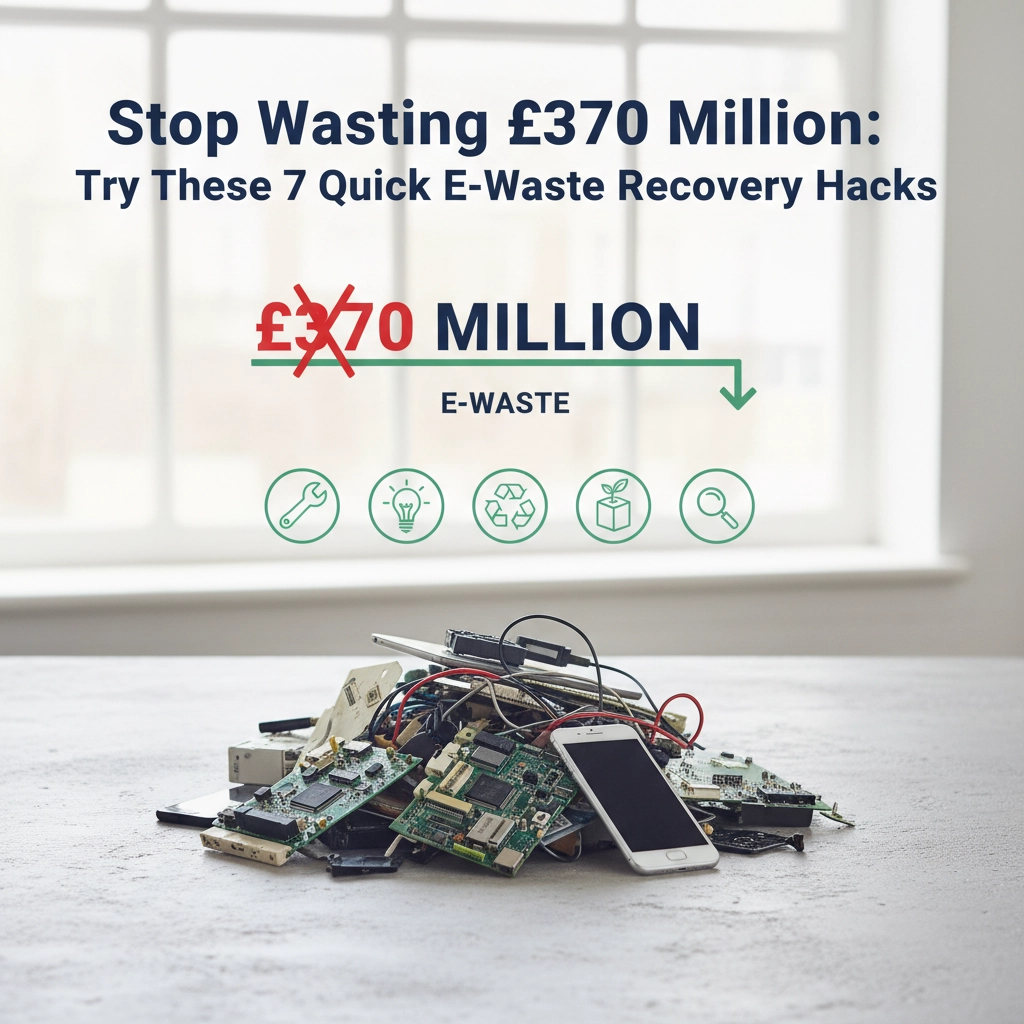
The UK generates over 1.5 million tonnes of electronic waste annually, yet less than half receives proper treatment through certified recycling channels. This represents a staggering £370 million in lost recoverable materials: precious metals, rare earth elements, and recyclable plastics that could return to productive use instead of languishing in storage or ending up in general waste streams.
Electronic waste contains significantly higher concentrations of valuable materials than natural ore. E-waste yields approximately 10,000g of gold per tonne compared to just 0.5-13.5g per tonne found in traditional gold ore. When you factor in silver, platinum, palladium, copper, and rare earth elements, the economic case for systematic e-waste recovery becomes compelling for both businesses and individuals.
1. Target High-Value Components First
Focus your recovery efforts on components that deliver maximum return. Circuit boards contain the highest concentration of precious metals: gold in connectors and processors, silver in circuit traces, and palladium in capacitors. Hard drives house rare earth magnets containing neodymium and dysprosium, while batteries contain lithium, cobalt, and nickel.
Remove these components before general recycling to ensure proper handling by specialist processors. Most certified e-waste facilities will accept sorted components and often provide higher recovery rates when materials arrive pre-separated.
Priority components for recovery:
- Motherboards and graphics cards
- Processors (CPUs and GPUs)
- Memory modules (RAM)
- Hard drive magnets
- Lithium-ion batteries
- Power supply transformers

2. Establish Systematic Collection Programmes
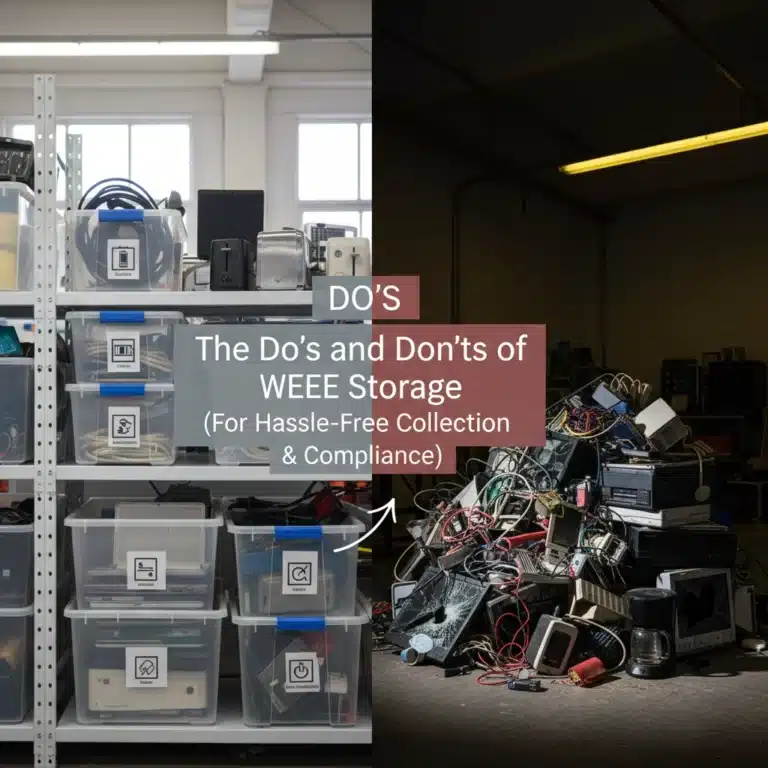
Implement regular collection schedules rather than ad-hoc disposal. Businesses accumulating electronic equipment should establish quarterly or bi-annual collection points, preventing valuable materials from degrading in storage while ensuring compliance with WEEE regulations.
Create designated collection areas with proper labeling for different device categories. Separate mobile devices, computers, peripherals, and large appliances to streamline processing and maximise recovery efficiency. Document collection volumes to track recovery potential and demonstrate environmental compliance.
For residential collection, coordinate with local recycling centres or use manufacturer take-back programmes. Many electronics retailers now offer collection services that ensure materials reach certified processing facilities rather than general waste streams.
3. Leverage Manufacturer Take-Back Schemes
Major electronics manufacturers operate comprehensive take-back programmes that often provide direct financial returns while ensuring proper recycling. Apple’s trade-in programme, Dell’s recycling service, and Samsung’s Galaxy Upcycling initiative process returned devices through certified channels with transparent material recovery processes.
These programmes typically offer credit toward new purchases or direct payments for functional devices. Non-functional equipment still receives proper material recovery treatment, with manufacturers absorbing processing costs while meeting their WEEE obligations.
Key manufacturer programmes:
- Apple Trade In (credit or cash for eligible devices)
- Dell Reconnect (free recycling at participating locations)
- HP Planet Partners (cartridge and device return)
- Lenovo Asset Recovery Services (business equipment)
4. Extend Device Lifespan Through Strategic Repair
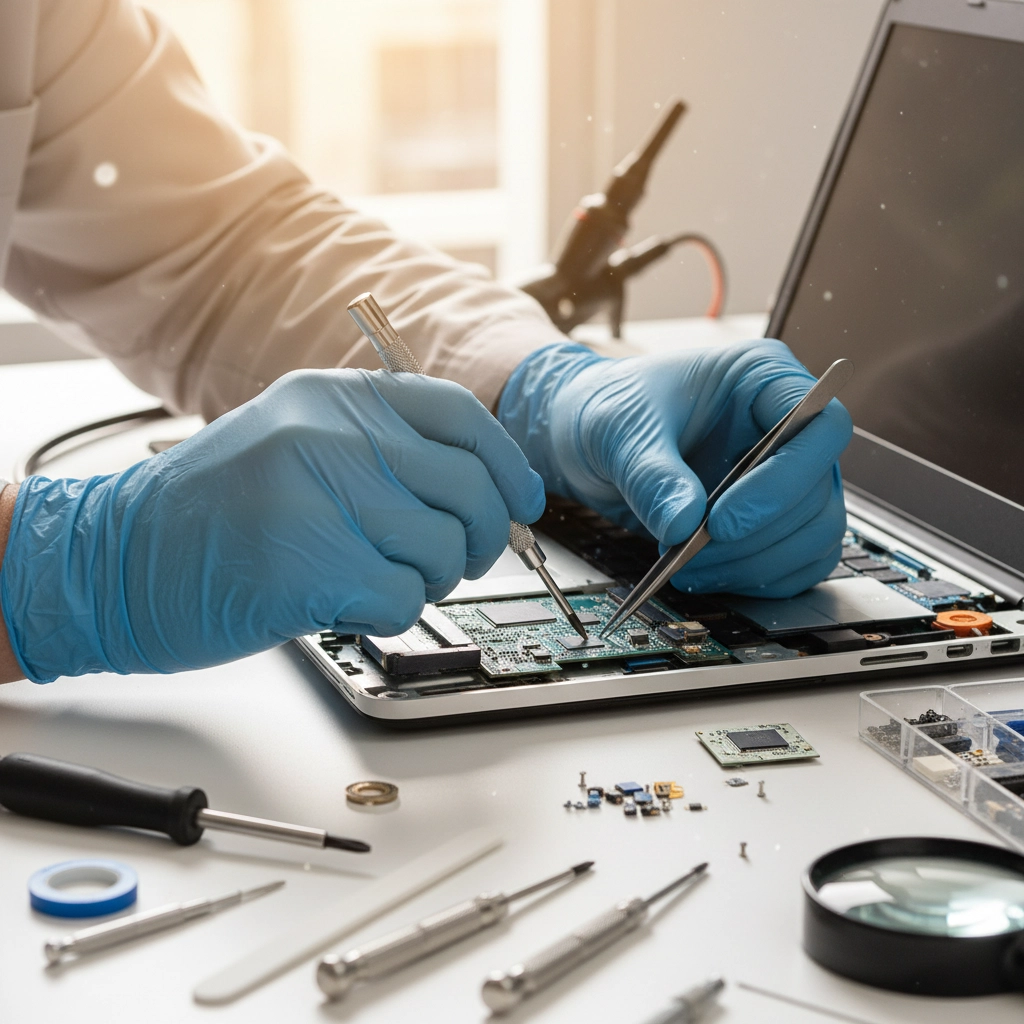
Repair extends the embedded value in electronic devices, postponing their entry into waste streams while maintaining functionality. Professional repair services can often restore devices at a fraction of replacement cost, particularly for commercial-grade equipment with high material value.
Focus repair efforts on devices with significant material content: workstations, servers, and industrial equipment justify repair investment more readily than basic consumer electronics. Establish relationships with certified repair technicians who can assess economic viability before proceeding with restoration work.
For businesses, implement device lifecycle management policies that prioritise repair over replacement for equipment under five years old. This approach maximises return on initial investment while reducing waste generation volumes.

5. Implement Secure Data Destruction Protocols
Proper data destruction adds value to equipment recovery by enabling resale or donation of functional devices. Certified data destruction ensures compliance with GDPR requirements while preserving equipment for secondary markets.
Use NIST-approved data sanitisation methods or physical destruction for sensitive information. Professional e-waste processors provide certified data destruction services with documentation proving compliance with regulatory requirements. This certification enables donation or resale programs that extend device utility before final material recovery.
Data destruction hierarchy:
- Software-based overwriting (NIST standards)
- Degaussing for magnetic media
- Physical destruction for high-security requirements
- Certified destruction documentation
6. Access Advanced Recovery Technologies
Partner with facilities using sophisticated extraction methods to maximise material yields. Hydrometallurgical processes use chemical solutions for selective metal extraction, achieving higher recovery rates than traditional mechanical processing. These facilities can extract gold, silver, platinum, and palladium with minimal material loss.
Pyrometallurgical processing employs controlled high-temperature treatment to separate metallic from non-metallic components. This approach works particularly well for complex assemblies where manual dismantling proves uneconomical.
Look for processors using emerging bioleaching technologies that employ bacteria for metal extraction. These biological methods reduce chemical processing requirements while maintaining extraction efficiency, representing the future of sustainable metal recovery.
At Northamptonshire E-Waste, we work with certified processors employing these advanced technologies to ensure maximum material recovery from collected equipment.
7. Establish Secondary Markets for Functional Equipment
Develop channels for equipment that retains functionality but no longer meets primary requirements. Educational institutions, community organisations, and developing market buyers often require older equipment that businesses consider obsolete.
Functional equipment in secondary markets prevents premature material extraction while extending utility for users with different performance requirements. Establish connections with organisations that can utilise equipment not requiring latest specifications.
Secondary market channels:
- Educational institution technology programmes
- Community centres requiring basic computing access
- Charitable organisations with limited IT budgets
- Export markets with different technology requirements
Getting Started with Recovery Implementation
Begin with equipment inventory to identify high-value targets. Assess current disposal methods and calculate potential recovery value using current precious metal pricing. Many businesses discover significant value in accumulated storage without realising material worth.
Contact certified processors to understand their acceptance criteria and pricing structures. Different facilities specialise in particular equipment types: find processors aligned with your specific waste streams for optimal results.
Establish documentation procedures to track recovery volumes and financial returns. This data supports business cases for systematic programmes while providing compliance evidence for regulatory requirements.
For businesses generating significant e-waste volumes, consider our business e-waste recycling services designed specifically for systematic recovery programmes.
Measuring Recovery Success
Track recovery programmes through key metrics that demonstrate both environmental and economic benefits. Monitor volumes processed, materials recovered, and financial returns to quantify programme effectiveness.
Document compliance achievements including WEEE certificate volumes, data destruction confirmations, and environmental impact reductions. These records support corporate sustainability reporting while demonstrating regulatory compliance.
Calculate avoided disposal costs alongside recovered material value for comprehensive programme assessment. Many organisations discover that systematic recovery programmes generate positive returns while reducing environmental liability.
The £370 million in recoverable materials represents opportunity rather than inevitable loss. Implementing systematic recovery approaches transforms electronic waste from disposal cost into resource opportunity, supporting both environmental objectives and economic returns.
Effective e-waste recovery requires systematic approaches rather than occasional efforts. Start with high-value components, establish regular collection schedules, and partner with certified processors using advanced recovery technologies. The combination of proper planning and professional processing transforms waste streams into valuable resource recovery opportunities.