
From Dust-Gatherer to Game-Changer: Why Putting Working Tech Back on the Market is a Win-Win
![[HERO] From Dust-Gatherer to Game-Changer: Why Putting Working Tech Back on the Market is a Win-Win](https://cdn.marblism.com/ZrJiEKZS6QG.webp)
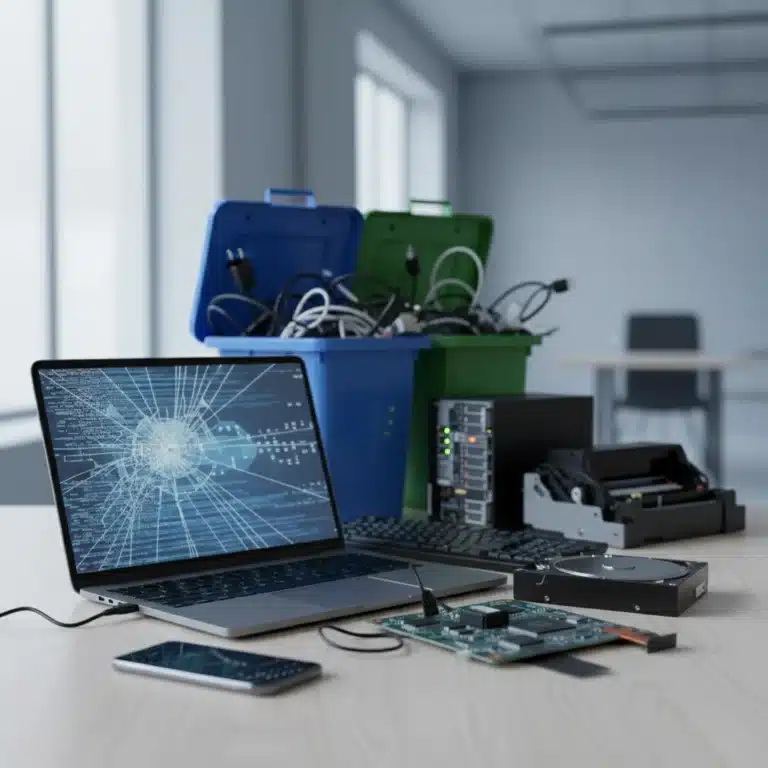
You’ve probably got a drawer full of old phones, laptops gathering dust in cupboards, or tablets that still work perfectly fine but never get touched. Your business might have stacks of monitors, keyboards, and desktops from system upgrades sitting in storage. These devices aren’t broken: they’re just sitting there.
Here’s the thing: working tech shouldn’t head straight to recycling. Reuse beats recycling every time when equipment still functions. Putting these devices back into circulation creates measurable benefits for your wallet, your business reputation, and the environment. Let’s break down why returning working tech to the market makes practical and economic sense.
Why Reuse Outperforms Recycling
Recycling electronics is important: it recovers valuable materials and keeps toxic substances out of landfills. But when a device still works, recycling it wastes the energy, resources, and labour already invested in manufacturing.
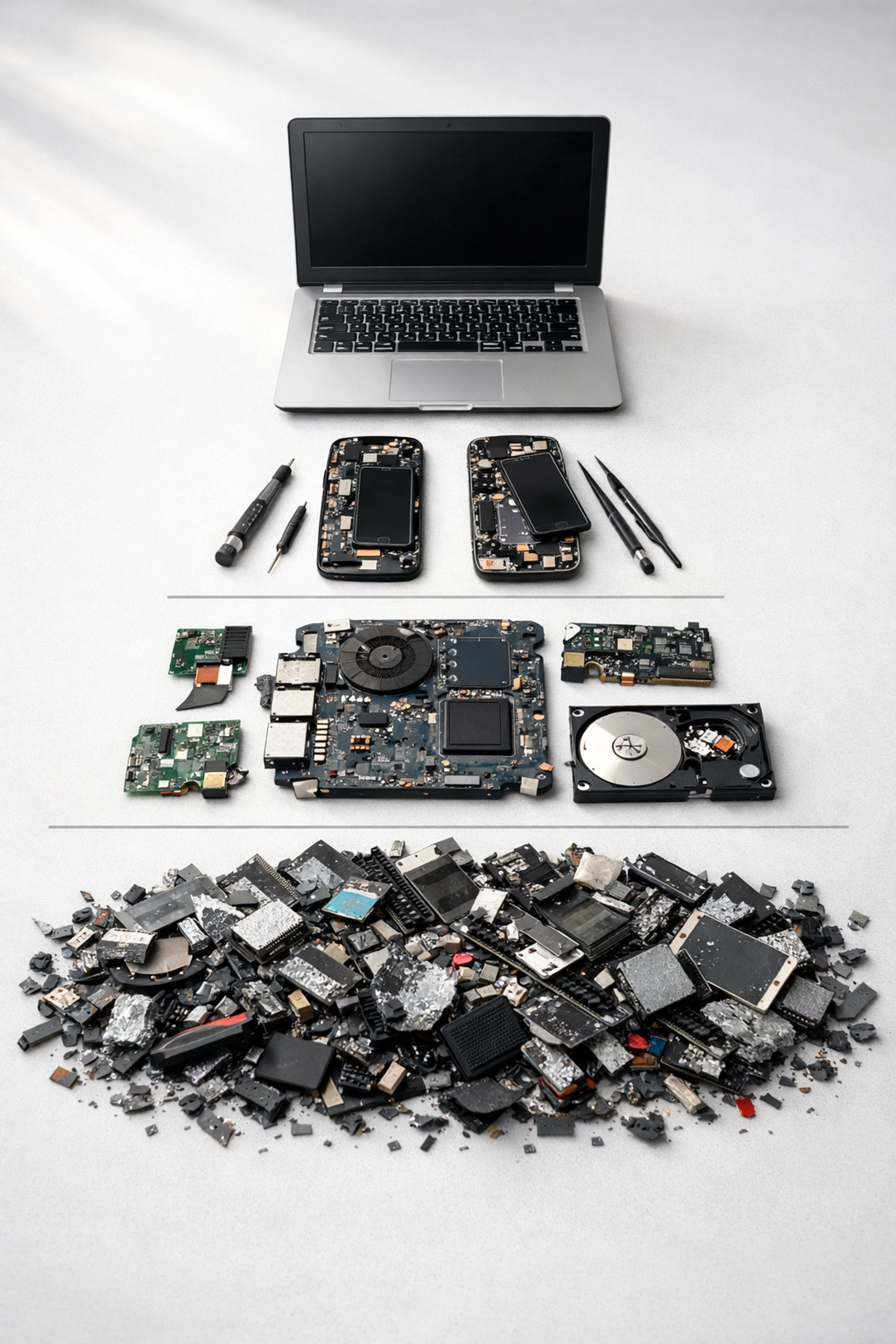
The hierarchy of e-waste management prioritises reuse above recycling:
- Reuse extends the original lifespan of a device without additional manufacturing
- Refurbishment requires minimal energy to restore functionality
- Recycling demands energy-intensive processes to extract and reprocess materials
- Disposal represents total loss of embodied resources
When you opt for reuse, you’re maximising the return on the environmental investment already made. A laptop that gets another three years of service prevents the need to manufacture a replacement. That means fewer raw materials extracted, less energy consumed, and reduced carbon emissions across the supply chain.
Economic Benefits That Actually Matter
The refurbished tech market isn’t just good for the planet: it delivers serious cost advantages. Reconditioned devices typically sell for up to 75% less than new models, with some electronics discounted by as much as 70%.
For businesses, these savings translate directly to operational flexibility:
- Redirect budget from hardware to marketing, training, or infrastructure
- Equip more employees with quality devices for the same budget
- Reduce capital expenditure without compromising on performance
- Access premium brands that might otherwise exceed budget constraints
Here’s what surprises most people: refurbished doesn’t mean inferior. These devices undergo rigorous testing, component replacement where needed, and quality checks to meet performance standards. Many refurbished products come with better warranties than brand-new items, including extended third-party maintenance coverage.
According to Consumer Reports, 82% of people who purchased a refurbished phone reported satisfaction with their device. Quality control processes for refurbished tech often exceed those for new products because every unit receives individual attention rather than spot-checking in mass production.

The Environmental Impact in Numbers
The refurbishment industry prevents 225 million kilograms of e-waste from being produced annually. That’s not theoretical: it’s measurable impact from extending device lifespans instead of sending functional equipment to landfills or recycling facilities.
Breaking down the environmental benefits:
- Resource conservation: Manufacturing a new laptop requires approximately 240 kilograms of fossil fuels, 22 kilograms of chemicals, and 1,500 litres of water. Refurbishing eliminates this entirely.
- Carbon footprint reduction: The production phase accounts for 75-80% of a device’s lifetime carbon emissions. Extending use prevents these emissions.
- Reduced mining demand: Every refurbished device decreases demand for mining rare earth elements, copper, gold, and other finite resources.
- Lower landfill pressure: Working devices in circulation means fewer units reaching end-of-life simultaneously.
When businesses choose refurbished equipment, they’re not just making a purchasing decision: they’re participating in meaningful environmental action that carries measurable outcomes.
Circular Economy in Practice
The circular economy model keeps resources in use for as long as possible, extracting maximum value before recovery and regeneration. Refurbished tech sits at the heart of this system.

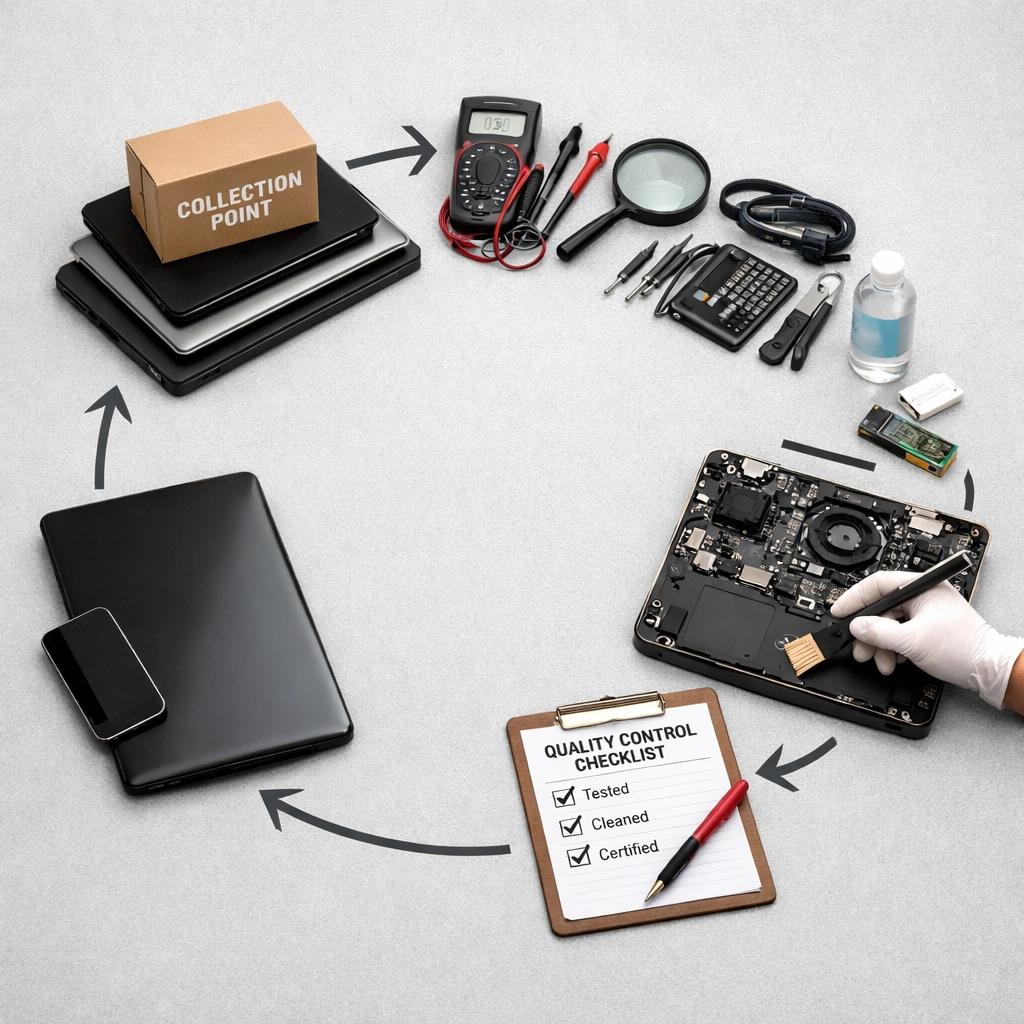
Here’s how the circular tech economy works:
- Collection: Working devices are collected from businesses and consumers upgrading their equipment
- Assessment: Technicians evaluate functionality, identifying which devices can be refurbished
- Refurbishment: Components are cleaned, tested, repaired or replaced as needed, and software is updated
- Certification: Devices are certified as meeting quality and performance standards
- Resale: Equipment re-enters the market at accessible price points
- Extended use: New owners extract several more years of productive service
- Eventual recycling: Only when truly end-of-life do materials enter recycling streams
This cycle addresses multiple challenges simultaneously. It reduces manufacturing demand, makes technology accessible to price-sensitive buyers, and ensures devices achieve their full useful lifespan. For Northampton businesses, participating in this cycle positions you as a responsible corporate citizen while managing costs effectively.
Supply Chain Resilience
Recent years have exposed vulnerabilities in global electronics supply chains. Component shortages, shipping delays, and manufacturing disruptions have made new equipment harder to source and more expensive.
The refurbished market provides practical solutions:
- Immediate availability: Refurbished stock exists now, without manufacturing wait times
- Predictable supply: Less vulnerable to component shortages affecting new production
- Stable pricing: Not subject to the same market volatility as new equipment
- Proven compatibility: Older models often integrate more reliably with existing infrastructure
For businesses requiring specific configurations or legacy compatibility, refurbished equipment can be easier to source than new models that may have changed specifications or been discontinued.
Data Security Considerations
A common concern about purchasing refurbished equipment involves data security: specifically, whether previous owners’ data has been properly removed. Legitimate refurbishment operations address this directly.
Professional refurbishment includes certified data destruction:
- Multi-pass data wiping: Software-based erasure that overwrites data multiple times
- Physical destruction verification: Hard drives may be physically destroyed when data sensitivity requires it
- Certification documentation: Proof of data sanitisation following recognised standards
- Compliance verification: Adherence to GDPR, ICO guidelines, and NCSC recommendations
When you work with certified refurbishers, data security receives the same attention as device functionality. At Northamptonshire E-Waste and Electrical Recycling, we ensure any equipment processed for reuse meets strict data security standards before reaching the resale market.
For sellers, proper data wiping before selling or donating equipment is essential. We can handle this process, providing certification that your sensitive information has been permanently removed.
Market Positioning and Brand Reputation
Businesses that choose refurbished technology and properly manage their e-waste can market these decisions as environmental responsibility. This isn’t greenwashing: it’s demonstrable action with measurable outcomes.
Practical reputation benefits include:
- Alignment with customer values as sustainability becomes a purchasing factor
- Reduced Scope 3 emissions in corporate sustainability reporting
- Positive local community impact through responsible practices
- Differentiation from competitors in tender processes
- Employee satisfaction working for environmentally conscious organisations
Getting Started with Tech Reuse
If you’re ready to participate in the circular economy, the process is straightforward:
For businesses with working equipment to redeploy:
- Audit current inventory to identify functional equipment no longer in use
- Ensure all data is properly wiped following security protocols
- Work with certified partners to assess refurbishment potential
- Document the environmental impact of your reuse initiatives
For businesses considering refurbished purchases:
- Identify your actual requirements versus specifications you think you need
- Source from certified refurbishers offering warranties and return policies
- Verify data sanitisation certification on any purchased equipment
- Calculate cost savings and environmental impact for reporting purposes
The business e-waste management process doesn’t need to be complicated. We handle collections across Northamptonshire, assess equipment for reuse potential, and ensure anything unsuitable for refurbishment enters proper recycling channels.
The Bigger Picture
Every device returned to the market represents resources conserved, emissions prevented, and value extended. The refurbished tech sector proves that environmental responsibility and economic sense aren’t opposing forces: they’re complementary outcomes of the same practical decisions.
Whether you’re a business managing equipment upgrades or an individual replacing personal devices, asking “Can this be reused?” before “How do I recycle this?” shifts the equation significantly. Working technology has value. Putting it back into circulation captures that value instead of destroying it prematurely.
The next time you’re staring at that stack of old monitors or drawer full of phones, remember: they’re not e-waste yet. They’re potential game-changers for someone else, environmental wins, and examples of the circular economy actually working.
Need guidance on whether your equipment is suitable for reuse, or want to ensure proper data security before redistribution? Contact us to discuss your specific situation. We’ll help you make decisions that benefit your budget and the environment simultaneously.