Are You Making These 5 Common E-Waste Disposal Mistakes?
Running a business in Northampton means dealing with old computers, phones, and equipment regularly. But when it comes to electronics disposal, many local businesses are unknowingly putting their data: and reputation: at risk.
The good news? These mistakes are completely avoidable once you know what to look for. Let’s walk through the five most common e-waste disposal errors we see in Northamptonshire, plus practical ways to fix them.
Mistake #1: Thinking “Delete” Actually Deletes Your Data
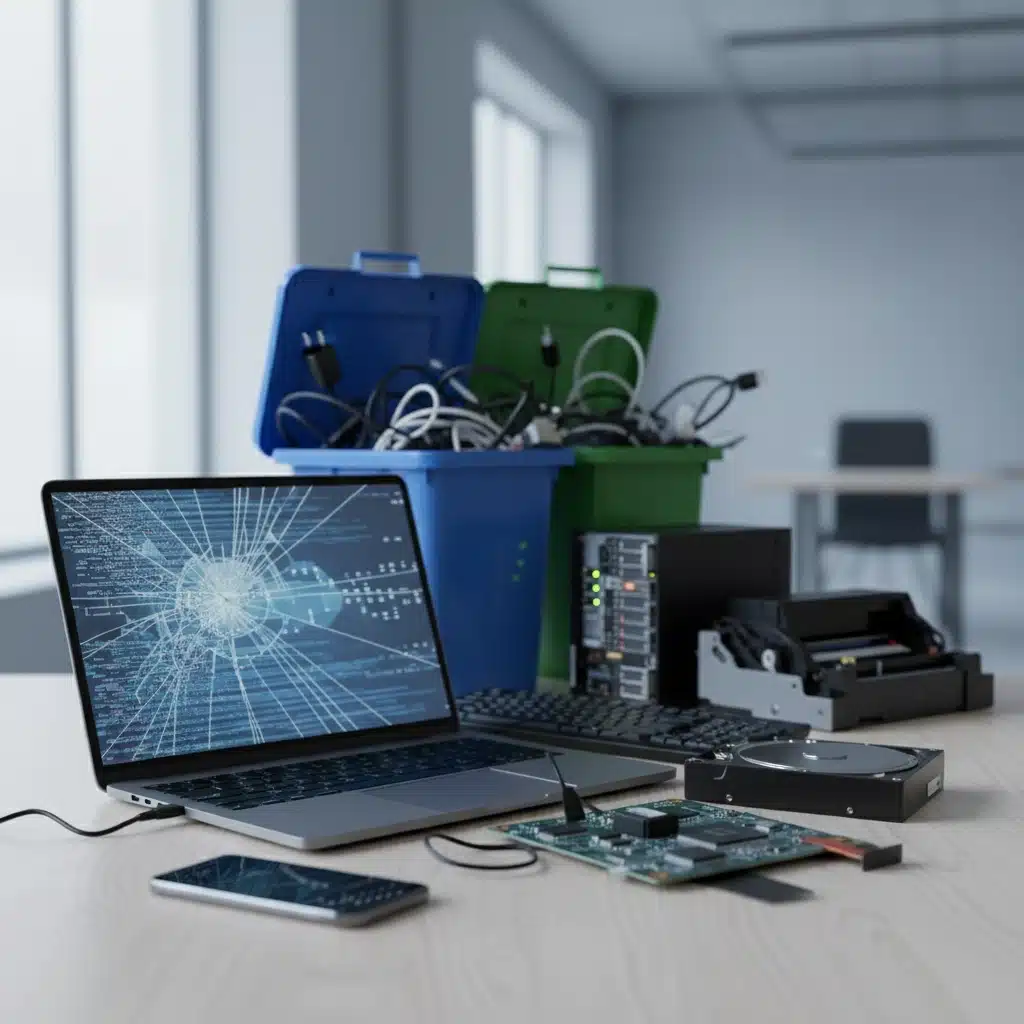
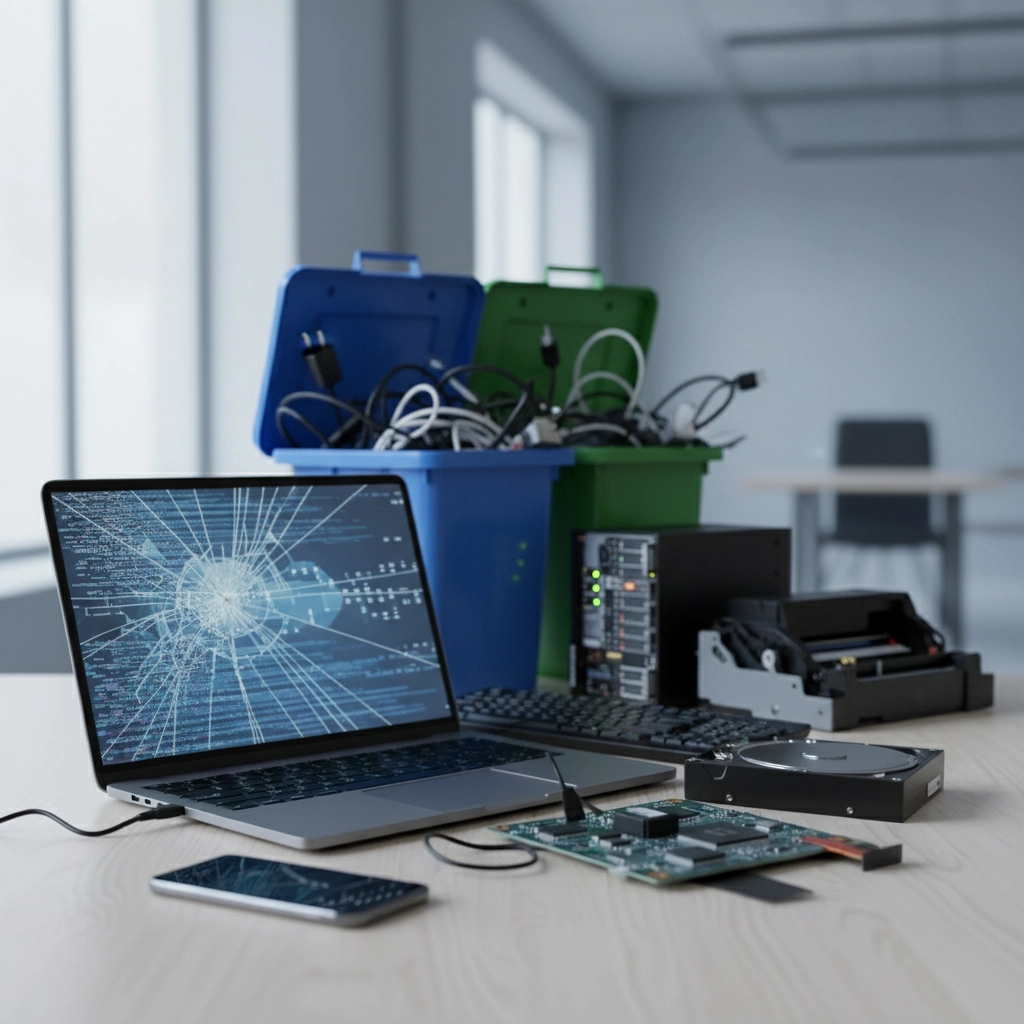
Here’s something that catches most business owners off guard: hitting delete doesn’t actually remove your data. Neither does a factory reset or reformatting your hard drive.
When you delete a file, your computer simply marks that space as “available” but the actual data stays put until something else overwrites it. With basic recovery software: stuff anyone can download online: deleted files are often easy to retrieve.

Why this matters for your business: Old laptops, phones, and tablets contain customer details, employee records, financial information, and business plans. If these devices end up in the wrong hands, you’re looking at potential data breaches, identity theft, and serious compliance issues.
The fix: Professional data destruction uses certified methods to permanently erase information. This means multiple overwrites of your storage devices or physical destruction through shredding for hard drives. Only certified data destruction methods meet proper compliance standards and guarantee your information can’t be recovered.
Mistake #2: Tossing Electronics in Regular Bins
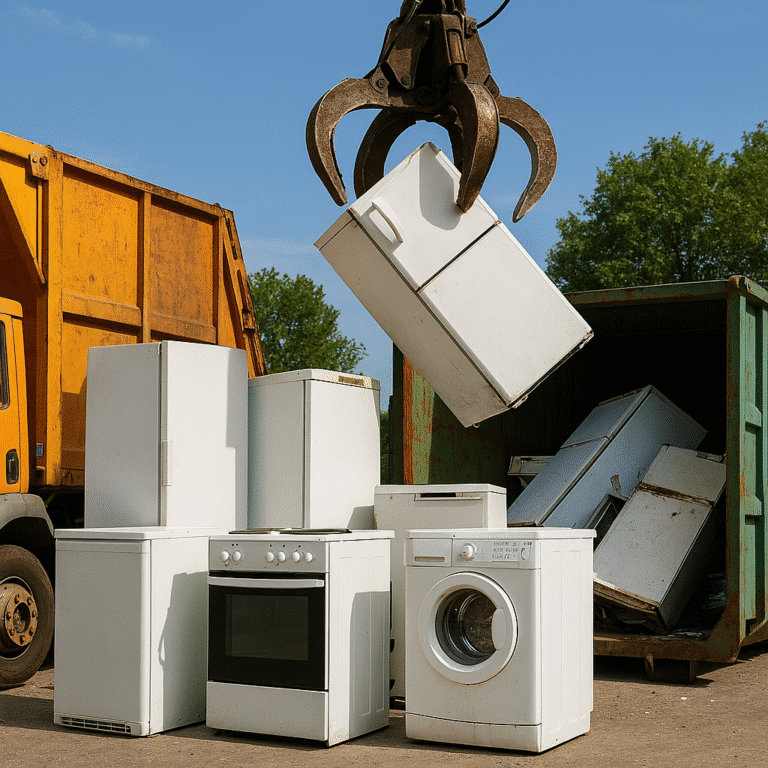
We get it: when you’re clearing out old equipment, the easiest option seems to be throwing it in your regular waste collection. But this creates two major problems.
First, it’s illegal in many areas. Electronics contain toxic substances like lead, mercury, and cadmium that don’t belong in standard landfills. These chemicals can leak into soil and groundwater, causing long-term environmental damage.
Second, you’re essentially giving away your business data to whoever handles that waste. Bin collectors, landfill workers, or anyone else who comes across your discarded devices could potentially access sensitive information.
The local angle: Northampton recycling centres have specific guidelines for electronics, but they’re not always equipped for secure data destruction. Plus, transporting sensitive business equipment yourself creates additional security risks during transit.
The fix: Partner with a local e-waste recycling service that handles both secure collection and data destruction. This ensures your electronics never mix with general waste while maintaining proper security throughout the disposal process.
Mistake #3: Using Uncertified E-Waste Recyclers
Not all electronics disposal services are created equal. Some cut corners on data destruction, others don’t properly handle hazardous materials, and many lack the certifications needed for regulatory compliance.

What to look for: Certified recyclers follow strict environmental standards and maintain proper data security protocols. Look for certifications like R2 or e-Stewards, which indicate adherence to rigorous criteria for safely handling waste recycling in Northampton and beyond.
The solution: Work with certified local providers who can verify their credentials and provide documentation of proper disposal. A zero landfill guarantee ensures your electronics are recycled responsibly rather than dumped.
Mistake #4: Letting Old Equipment Pile Up
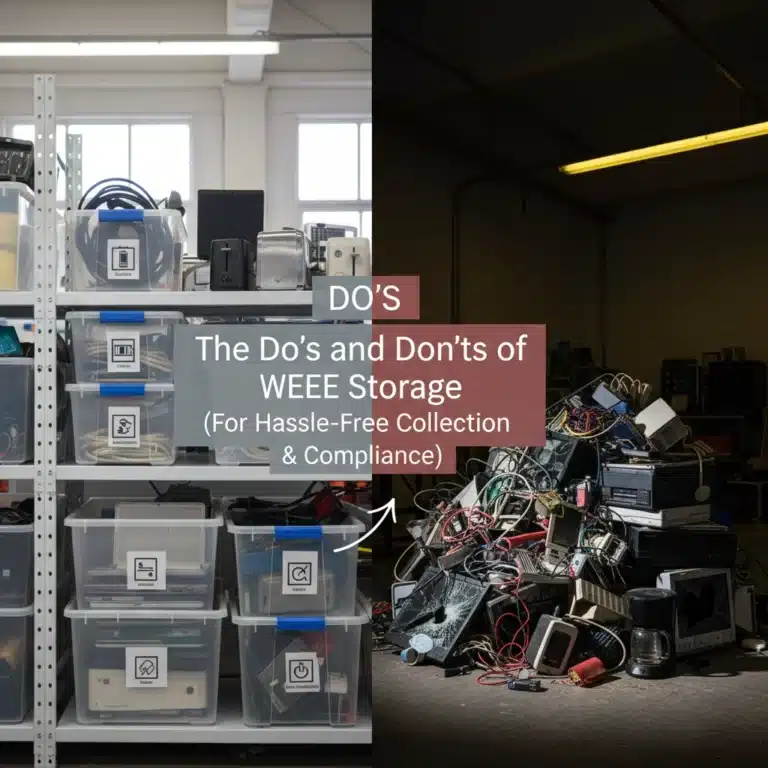
Many Northampton businesses have a “storage room of forgotten tech”: old computers gathering dust, outdated phones in desk drawers, or printers sitting unused in corners. This creates several problems:
- Extended data exposure: The longer devices sit around, the more opportunities there are for security breaches
- Fire hazards: Old electronics, especially batteries, can overheat or malfunction
- Wasted space: That storage could be used for current business needs
- Compliance gaps: Forgotten devices often get missed during security audits

The practical approach: Schedule regular electronics clearouts, either quarterly or annually depending on your business size. This prevents accumulation and ensures you’re not storing unnecessary security risks.
For businesses generating consistent e-waste, establishing a regular collection schedule makes more sense than waiting until you have a mountain of old equipment.
Mistake #5: Not Training Staff on E-Waste Disposal
Even the best policies and secure providers won’t help if your staff don’t know how to properly handle e-waste. Many data leaks and environmental mishaps happen simply because employees aren’t sure what to do with old electronics, batteries, or accessories.
Where it goes wrong:
- Tossing electronics in with general waste out of habit
- Forgetting about data on smaller items (USBs, external drives, phones)
- Not knowing about scheduled collections or company procedures
How to fix it:
- Brief your team on how and why electronics are handled differently from regular rubbish
- Post clear instructions in communal areas so everyone knows the right process
- Remind staff about regular clear-outs and secure storage for e-waste until collection
A quick training session or sharing a step-by-step guide (even just by email) can massively reduce the risk of compliance slips—and save you headaches later.
Getting E-Waste Disposal Right in Northampton
The key to avoiding these mistakes is working with a local service that understands both data security and environmental responsibility.
Essential services to look for:
- Secure on-site collection from your business location
- Certified data destruction with documentation
- Zero landfill guarantee for environmental compliance
- Regular scheduled pickups to prevent accumulation
- Complete chain of custody documentation
For Northampton businesses, having a local partner means faster response times, better understanding of local regulations, and the ability to build an ongoing relationship that adapts to your changing needs.
Your Next Steps
Don’t let e-waste disposal become a security headache for your business. Start by auditing any old electronics currently in your office: anything sitting unused for more than six months should be scheduled for proper disposal.
When choosing an electronics disposal service, verify their certifications, ask about their data destruction methods, and ensure they provide complete documentation. A few extra questions upfront can save you significant problems later.
For businesses in Northamptonshire looking for reliable e-waste disposal, proper data security doesn’t have to be complicated. The right partner makes secure, compliant disposal straightforward and stress-free.
Ready to handle your business e-waste properly? Contact us to discuss secure collection and disposal options that fit your business needs.